

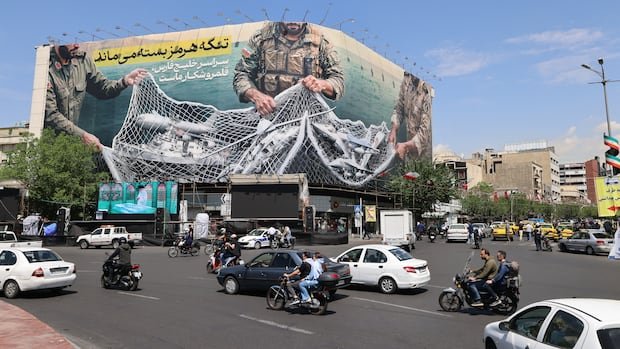

U.S. intelligence agencies are currently examining the potential reaction of Iran to a scenario where President Donald Trump unilaterally declares victory in the ongoing two-month-long conflict. This conflict, which has resulted in numerous casualties and has become a political burden for the White House, is under scrutiny by the intelligence community at the behest of senior administration figures.
The primary aim of this analysis is to grasp the potential consequences of Trump potentially withdrawing from the conflict, a move some officials fear could impact the Republican party negatively in the upcoming midterm elections. While no definitive decision has been made yet, there is a possibility that a swift de-escalation could alleviate political pressure on the president, even though it might empower Iran to potentially rebuild its nuclear and missile programs, posing a threat to U.S. allies in the region.
The timeline for the completion of this intelligence assessment is uncertain, but previous evaluations have indicated that Iran would interpret a U.S. declaration of victory and subsequent troop reduction as a win for itself. On the other hand, if the U.S. were to claim victory but maintain a substantial military presence, Iran might perceive it as a strategic move rather than an end to the conflict.
The CIA, in response to this matter, stated that they are not aware of the reported intelligence assessment. The Office of the Director of National Intelligence declined to provide any comments on the issue. White House spokesperson Anna Kelly emphasized that the U.S. is actively engaged in negotiations with Iran and will not rush into any unfavorable agreements.
Recent opinion polls have revealed that the ongoing war is highly unpopular among Americans, with only a minority believing that the military campaign has been worthwhile or has enhanced U.S. security. President Trump is reportedly cognizant of the political toll he and his party are facing due to this conflict.
Efforts to reopen the strategically significant Strait of Hormuz, which Iran had closed off, have not been fully successful despite diplomatic initiatives. The disruption of this vital shipping lane has led to global energy price spikes, impacting gasoline costs worldwide. The potential reduction of U.S. military presence in the region, coupled with lifting the blockade, could eventually result in lower gasoline prices, though no agreement seems imminent.
Despite various military options being considered, including airstrikes on Iran’s military and political figures, the likelihood of more extreme measures like a ground invasion has diminished. The pressure on President Trump to conclude the conflict is described as substantial, with reports indicating that Iran has utilized the ceasefire period to retrieve hidden weapons and equipment, making a resumption of full-scale conflict potentially more costly now than at the conflict’s outset.