

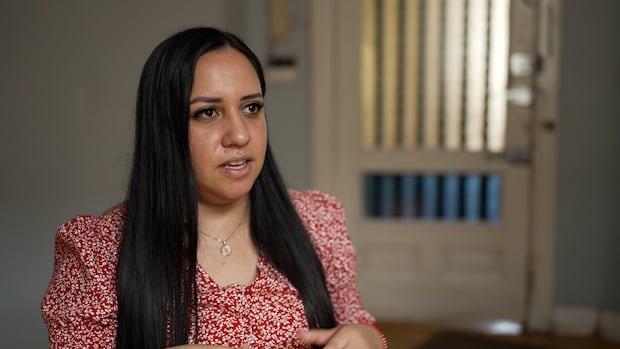

In Mexico City’s Tacubaya neighborhood, L.M. faces the threat of eviction from her apartment within an art deco building complex due to ongoing gentrification battles. Having relocated from Puebla, she shares a townhouse with a roommate holding the rental contract for 16 years. However, the building’s new owners, converting units into short-term rentals, notified them in December that their year-to-year contract would not be renewed.
Living in constant apprehension of being ousted, L.M. and her roommates, despite timely rent payments, lack security in their tenancy. The fear of potential displacement looms large, with L.M. expressing the challenging and risky nature of their predicament.
Under the alias L.M., she expressed concerns about potential blacklisting by landlords, who often scrutinize prospective tenants online. This scrutiny has led to rental rejections for individuals associated with activism on eviction and gentrification matters, as per L.M.’s observations.
The impact of gentrification in Mexico City is exemplified in L.M.’s plight, where property owners are converting long-term residences into short-term rentals, exacerbated by the influx of digital nomads post-pandemic and the upcoming FIFA World Cup. Maria Silvia Emanuelli from the International Habitat Coalition highlighted reports of evictions driven by landlords seeking to capitalize on anticipated high rental demand during the sporting event.
The organization’s data reveals a concerning trend in Mexico City, where every 48 hours, three rental units are transitioning to short-term rentals. Additionally, the district of Cuauhtémoc, encompassing popular neighborhoods like Condesa, Roma, and Juarez, has witnessed 82 forced evictions between 2015 and 2025, indicating the severity of the gentrification issue.
Gentrification’s reach extends beyond tourist-centric areas, as witnessed in Tacubaya, where rental units are falsely marketed as being in “Condesa South.” This misrepresentation exacerbates the housing crisis in a city characterized by stark inequality, as noted by Adriana Enriquez, a public policy and urban development consultant in Mexico City.
Residents like L.M. and her neighbors have mobilized against the forces of gentrification, challenging ongoing renovations and rent hikes that are part of what they term as “silent evictions.” The struggle for tenant rights persists amidst a backdrop of increasing evictions and rising rental rates, prompting action from both residents and advocacy groups.
Mexico City Mayor Clara Brugada’s initiatives to address the housing crisis through expanded social housing and stricter rent control regulations offer a glimmer of hope. However, challenges persist in enforcing existing laws aimed at curbing gentrification pressures, necessitating continued efforts to protect tenants’ rights and uphold housing stability.