

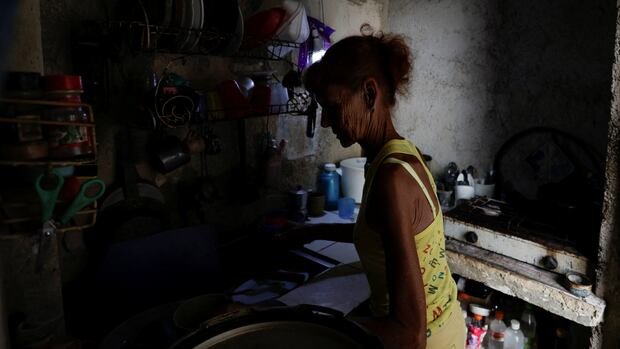

Cuba’s electricity network experienced a partial breakdown early on Thursday, according to UNE, the country’s grid operator. This incident caused power outages in eastern Cuba, adding to the frustrations of Cubans already enduring extended blackouts due to a fuel blockade imposed by the U.S.
Officials managed to restore power to essential services in the affected region by mid-morning. However, a significant portion of eastern Cuba, including Santiago de Cuba, the second-largest city on the island, remained without electricity. With the onset of summer heat, the situation has become critical, with most areas, including the capital Havana, facing up to 20 hours or more of power cuts daily.
The blackouts exacerbated in January following threats of tariffs on fuel suppliers to Cuba by former U.S. President Donald Trump. Venezuela and Mexico, previously major fuel providers to Cuba, halted their shipments. Trump’s intention to destabilize Cuba’s current government has been evident, as he anticipated a collapse of the nation.
Cuba’s energy and mines minister disclosed that the island had depleted its fuel oil and diesel reserves, essential for powering the electricity grid, attributing the blackouts to the U.S. blockade. In response to prolonged power cuts exceeding 24 hours in some areas of Havana, widespread protests erupted, affecting residents’ daily lives and food storage conditions.
“The country is facing a severe fuel shortage, and this is a harsh reality,” expressed Rodolfo Aragon, a 55-year-old business owner, reflecting on the bleak future amid the ongoing U.S.-Cuba conflict. The United Nations denounced Trump’s fuel blockade, labeling it as unlawful and highlighting its detrimental impact on the Cuban people’s rights to development, food, education, health, and sanitation.