


The Church of England issued an apology on Thursday for its involvement in forced adoptions, extending into the mid-1970s. The apology recognized the hardships faced by numerous unmarried women at mother and baby homes in the United Kingdom, which were linked to the church.
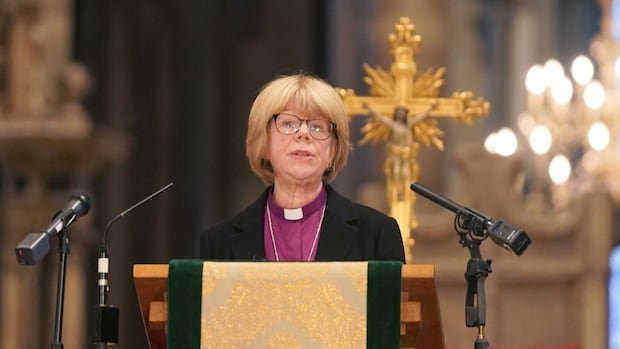
Archbishop of Canterbury Sarah Mullally, the first female leader of the church and a significant figure in the Anglican Communion worldwide, delivered the apology alongside the release of a report on the conditions at these homes from 1949 to 1976. The report revealed that many women and girls were compelled to perform menial tasks as a type of “correction” for having children outside of marriage. Additionally, their babies were sometimes treated as commodities available for adoption.
Mullally expressed deep regret for the pain, trauma, and stigma endured by many individuals due to historical adoption practices at Church of England-affiliated homes. She acknowledged firsthand testimonies from mothers who were separated from their babies in situations where they had limited meaningful choices.
According to the report, approximately 185,000 children born to unmarried mothers were put up for adoption in England and Wales during the covered period. This era was marked by a culture of shame, stigma, and secrecy surrounding unmarried mothers and their children, despite evolving attitudes toward sex and marriage.
Although church policies emphasized the rights of unmarried women to keep their children and children’s right to stay with their mothers, staff often disregarded these guidelines and collaborated closely with adoption agencies, researchers discovered. The church also admitted instances where biases, including based on race and disability, influenced experiences and outcomes.
The report highlighted that while proper guidance existed, it was juxtaposed with language reflecting dehumanizing and dismissive attitudes, failing to meet the expected standards of care within the church, particularly for those in vulnerable circumstances.
This regrettable chapter in the Church of England’s history sheds light on the need for acknowledgment and reconciliation in the wake of past injustices.