

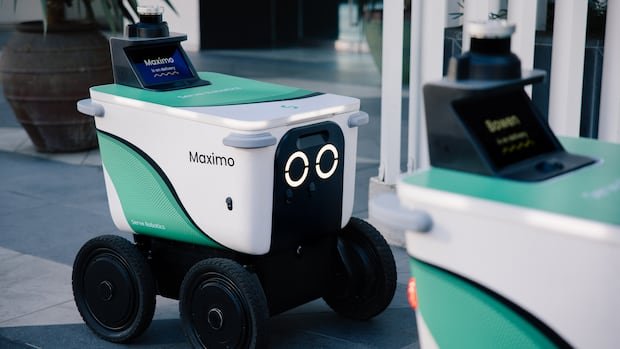

Vancouver city council members have given the green light to a six-month experimental initiative that will introduce automated food delivery robots to specific neighborhood sidewalks starting in the upcoming autumn season. The project, spearheaded by Serve Robotics, a U.S.-based company, will be deployed in downtown and Kitsilano areas, where similar robots are already in operation in cities like Los Angeles.
Advocates of the robotic delivery system argue that it will contribute to reducing emissions as the robots are powered by electricity. They also highlight the potential for innovation and technological advancement within the city. However, some critics, including a council member and a business expert, have raised concerns about the need for proper oversight to address potential impacts on pedestrians, existing delivery personnel, and individuals with disabilities.
ABC Coun. Mike Klassen, the initiator of the proposal endorsed by the Vancouver council, described the robots as a “last mile” delivery solution that complements existing modes of food delivery such as vehicles and bicycles. The motion put forth by Klassen calls for collaboration between city officials and provincial authorities in monitoring the pilot program to shape future municipal policies.
The selection of Kitsilano and downtown neighborhoods for the trial phase was based on their high-density housing structures, which would allow for shorter distances for the robots to navigate.
Serve Robotics CEO, Ali Kashani, emphasized the energy efficiency of the robots, noting their significantly lower kinetic energy compared to traditional vehicles. Kashani highlighted the potential benefits of utilizing such technology, referencing a previous trial at a Vancouver Pizza Hut in 2022. The CEO stressed the robots’ ability to operate autonomously while being equipped with sensors to seek human intervention when encountering unfamiliar situations.
City council member Peter Meiszner, echoing sentiments of support, emphasized the need for embracing new technologies that enhance urban life, drawing parallels to the introduction of ride-hailing services and e-scooters in Vancouver after successful implementation in other cities.
On the other hand, OneCity Coun. Lucy Maloney expressed reservations based on negative experiences with delivery robots in other urban centers, citing issues such as obstruction of pathways and near-misses with pedestrians, particularly those with disabilities. Concerns were raised about potential legal liabilities and safety implications for vulnerable sidewalk users.
Economic expert, Werner Antweiler, emphasized the importance of establishing clear regulations to govern the operation of delivery robots to prevent conflicts with pedestrians. He highlighted the broader societal impact of automation technologies like delivery robots, which could potentially lead to job displacement, particularly in entry-level roles such as food delivery.
In British Columbia, the provincial Motor Vehicle Act would oversee the operation of “micro-utility devices” like delivery robots, with the province monitoring developments in this area. New regulations may be required to address operational parameters, safety standards, and other relevant aspects for these devices to function within the region.