

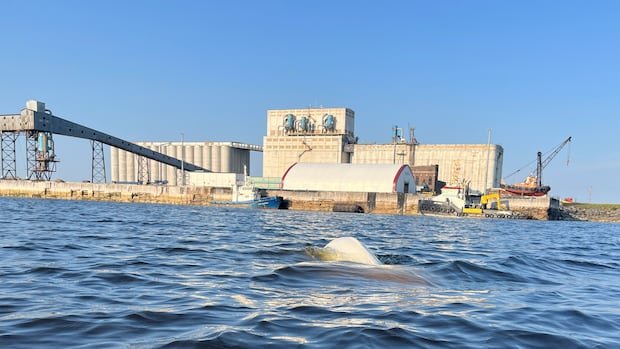

The University of Manitoba and the Arctic Research Foundation have announced a significant stage in their exploration to transform Churchill into a year-round maritime center. This phase of the study, initiated in January, will focus on assessing the use of icebreakers to extend the operational span at the port, according to a press release from U of M. Presently, the port functions for approximately four months each year.
Feiyue Wang, Canada Research Chair in Arctic Environmental Chemistry and director of the Churchill Marine Observatory, highlighted the necessity for ice-breaking support to maintain a continuous shipping route over winter. The primary goal is to identify the optimal shipping route to the Atlantic Ocean and northern Europe, mapping a distance exceeding 2,000 kilometers. Wang emphasized the importance of scientific guidance and long-term environmental sustainability in any future growth endeavors.
Prime Minister Mark Carney recently emphasized the significance of expanding the Port of Churchill as part of a crucial trade corridor through northern Manitoba. This aligns with Manitoba Premier Wab Kinew’s vision for Churchill to become a key port for shipping goods to Europe and beyond.
The study, led by Wang and U of M researchers, is funded with $188,000 from a total of $750,000 allocated by federal and provincial sources for evaluating sea ice, weather patterns, and climate conditions in the Hudson Bay region. The study aims to anticipate future ice conditions over the next four decades and the icebreaking requirements to navigate the area effectively.
The research team will utilize the POLARIS system to assess ice conditions and associated risks for different ship classes, as well as project climate scenarios based on varying greenhouse gas emission levels. Additionally, the study will analyze environmental data to identify ecologically sensitive periods for routing and vessel operations.
Extending the operational season could have significant economic implications for Canada by facilitating access to Arctic resources and encouraging domestic refining. The project aims to be a driver for economic development in Arctic communities, with a commitment to train youth in technical and maritime trades. Arctic Gateway Group CEO Chris Avery emphasized that increased trade through the Port of Churchill will enhance national supply chains, promote Indigenous reconciliation, and bolster Canada’s presence in the North.
The study is set to conclude with a final report in February 2027, following which field testing with research vessels and potential deployment of large icebreakers may commence.