


A Victoria-based company has developed innovative technology capable of detecting marine mammals, and it is currently being tested on a new electric passenger ferry. Reach Technologies Inc., founded by Glenn Jones, initially focused on aerospace technology 32 years ago before venturing into marine detection. The company is commencing trials with the Department of National Defence this month.
The highlight of the technology is a unique multispectral camera that rotates 360 degrees continuously, instantly identifying objects, debris, individuals, and animals. According to Jones, the system can promptly detect marine mammals as soon as they surface. While these devices come with a significant price tag of up to $600,000, Jones claims that no other entity globally is employing this cutting-edge technology.
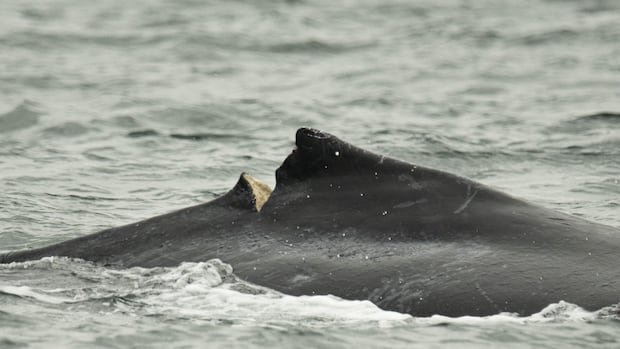
In recent incidents, B.C. witnessed the unfortunate deaths of two humpback whales, with another being struck and injured by a ferry off Vancouver. The marine detection technology is being piloted by CIRQL Ferries, aiming to operate two electric ferries by 2028, traveling from Vancouver to Bowen Island and the Sunshine Coast. These ferries will traverse areas where humpback whales are known to frequent, emphasizing the critical need for such detection systems.
Marine Mammal Zoologist Anna Hall stressed the importance of mitigating the risks posed by vessel strikes to humpback whales, whose population is on the rise. Even slower-moving vessels, such as ferries, can pose a significant threat to these marine creatures. While reducing speed can be beneficial, Hall emphasized the necessity of avoiding vessel-whale interactions altogether through restricted areas and advanced detection technologies.
The Department of Fisheries and Oceans Canada has implemented whale detection systems in high-risk areas to address the issue of vessel collisions. Transport Canada mandates that all commercial vessel operators undergo marine safety training and certification. CIRQL Ferries co-founder Darren Pereira emphasized the importance of ocean stewardship, highlighting the reduced underwater noise of electric ferries as a positive environmental impact.
Despite the quieter operation of electric ferries, concerns remain regarding the increased collision risk for marine mammals. Hildering cautioned that the presence of additional vessels could heighten the risk of strikes, particularly for humpback whales known to feed in these waters. She emphasized the importance of collaborative efforts to ensure the safety of marine life amidst maritime activities.