



A long-standing mystery concerning the burial of numerous deceased children by hunter-gatherers in Russia 5,500 years ago has finally been unraveled by scientists. The revelation that these children were victims of the earliest recorded plague outbreak sheds new light on the nature of the disease.
The study, recently published in Nature by an international team of scientists, including Canadian researchers, highlights that Yersinia pestis, the bacterium infamous for causing the Black Death in 14th-century Europe, was already lethal to humans millennia before that catastrophic event.
The findings show that the plague was not only deadly but also had the ability to spread among hunter-gatherer societies, not just confined to densely populated settlements that emerged later.
“The discovery of early evidence for large-scale lethal plague outbreaks among these hunter-gatherer communities was a complete surprise,” said lead author of the study, Ruairidh Macleod, a postdoctoral researcher at Oxford University, during a news conference.
Unraveling the Enigma
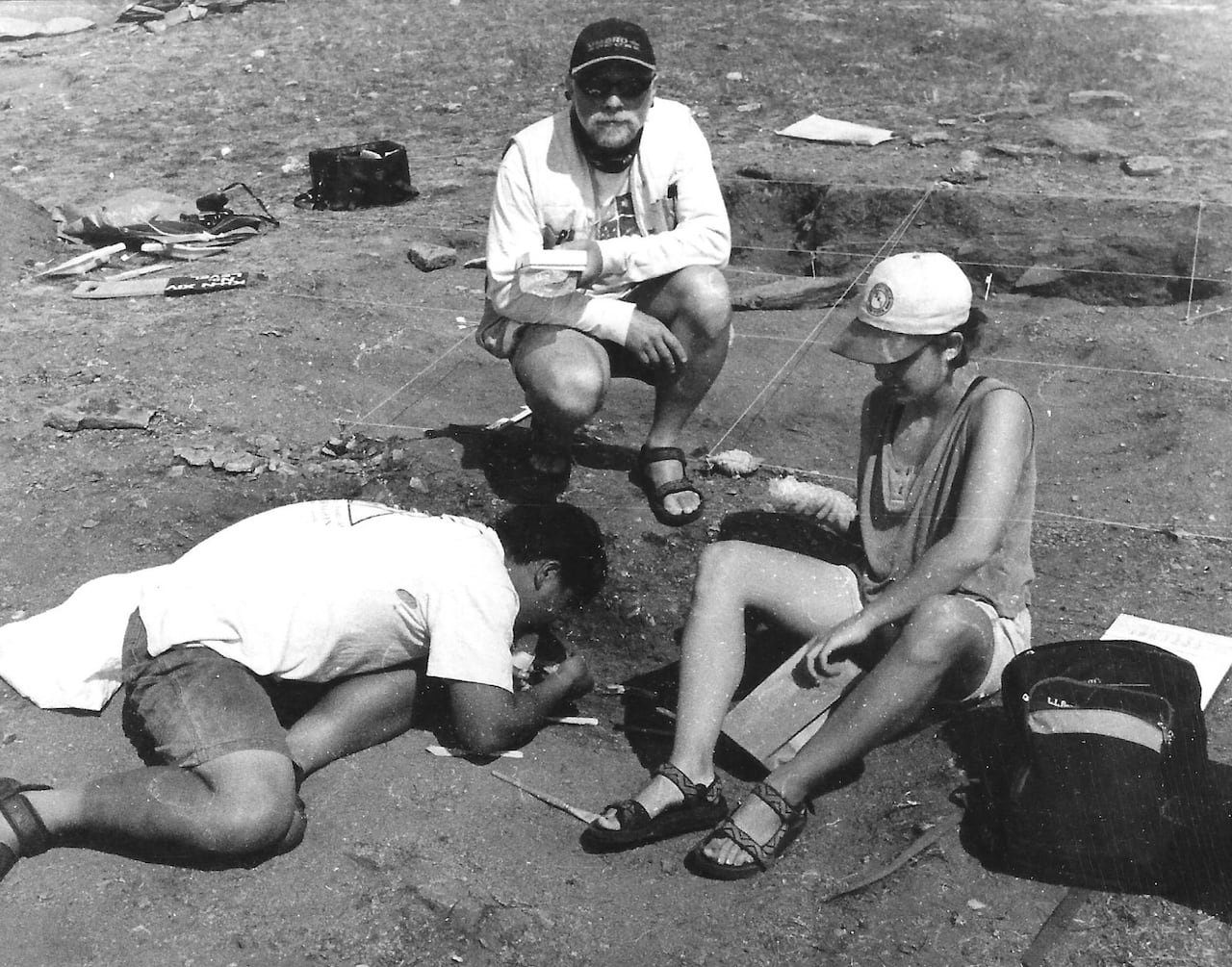
For decades, Andrzej Weber, an anthropology professor at the University of Alberta, and Angela Lieverse, an archaeology professor at the University of Saskatchewan, have been investigating the remains of a prehistoric hunter-gatherer settlement near Lake Baikal in Russia.
The Baikal Archeology Project, led by Weber for 40 years, has been uncovering the lifestyles of ancient seasonal communities comprising dozens to 100 individuals engaged in fishing, hunting, and gathering around Lake Baikal and the Angara River.
About 20 years ago, the researchers observed an unusual trend at one archaeological site where approximately two-thirds of the buried individuals were children under 12 years old, which raised questions that remained unanswered until now.

Specializing in studying human bones, Lieverse distinguished the age and gender of each set of remains and searched for signs of diseases, noting that only chronic ailments like malnutrition, tuberculosis, or cancer leave traces in bones as infectious diseases act swiftly.
Collaborating with Macleod, an ancient DNA expert, the team identified the plague bacterium during a study on family relationships among the remains, sparking a realization of the cause behind the mysterious burials.
Plague is currently endemic in the region and is known to be carried by marmots, large rodents consumed by the hunter-gatherers and sometimes buried with decorative items made from marmot teeth.
Deadly for Children
The researchers probed why this particular plague strain was exceptionally lethal to children. Genetic analysis unveiled the presence of a “superantigen” capable of triggering severe inflammatory reactions, particularly in children, whose immune systems differ from those of adults, leading to conditions akin to Kawasaki syndrome.
Interestingly, this strain lacked the genes necessary for the bubonic plague to spread through fleas.
Prior to this discovery, the earliest known plague strain dated back around 5,200 years, lacking the genes for efficient flea and rodent transmission, leading many to doubt its potential for major outbreaks.
In the Lake Baikal incident, multiple small family groups were impacted, indicating human-to-human transmission within the communities.
Macleod mentioned a case where three young girls aged seven to nine, found to