

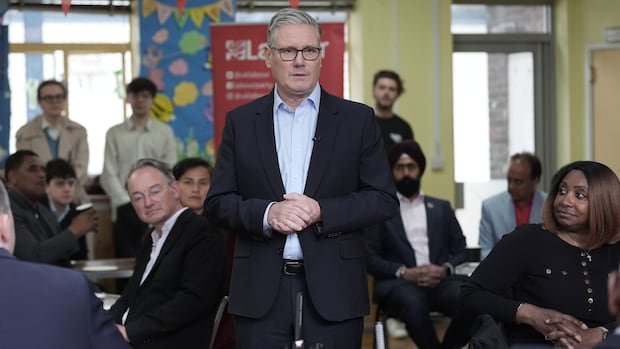

British Prime Minister Keir Starmer swiftly acknowledged a challenging local election outcome for the Labour Party, presenting himself before the media even before the final vote tally in an election viewed as a test of his leadership. Less than two years after securing a significant parliamentary majority, Starmer witnessed his party losing seats at the local level to rivals across the political spectrum. Votes were also being tabulated for devolved parliaments in Scotland and Wales.
In London, Starmer conceded, “They are tough results. I accept that,” while awaiting results for over 5,000 seats across 136 municipal councils in England. Despite the setbacks, he affirmed his commitment to lead amidst speculation of potential challenges from discontented Labour MPs. “The voters have signaled a desire for change and improvement in their lives,” Starmer stated. “I was elected to address these challenges, and I am steadfast in not shying away from them, risking chaos in the country.”
Reform UK, led by Nigel Farage, a right-wing populist party, capitalized on Labour’s decline, benefiting from the Conservative Party’s disappointing performance. While Labour’s victory in the 2024 national elections ended the Conservative government’s 14-year reign, Starmer’s tenure has been marred by policy reversals, missteps, and scandals, notably the controversial appointment of Peter Mandelson as Britain’s U.S. ambassador.
Political analysts attribute Labour’s struggles to broader issues beyond Starmer’s leadership, including prolonged economic stagnation. The election results, which also saw gains for the Green Party, hint at a potential transformation in British politics towards a multi-party system. Local elections are often considered protest votes, allowing voters to experiment with their choices, posing challenges for Labour as Starmer’s personal image suffers.
As Starmer faces scrutiny from within his party following the election outcome, the focus shifts to how Labour MPs will interpret the results and the likelihood of calls for his resignation resurfacing. While internal party dynamics may not currently favor a leadership change, the elections have weakened Starmer’s position and raised doubts about his ability to lead Labour into the next election.