

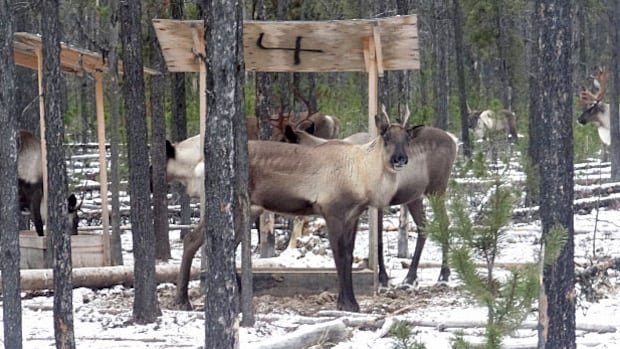

A recent ruling from B.C.’s Environmental Appeal Board (EAB) has brought the concept of “hunting” into focus, affirming a disciplinary action taken against a wildlife biologist for his activities involving an endangered caribou herd he is studying in northern B.C.
Doug Heard, a former provincial government wildlife biologist and adjunct professor at the University of Northern B.C., has dedicated the past ten years to the restoration efforts of an endangered caribou herd at Kennedy Siding, a crucial 223-hectare habitat for threatened woodland caribou situated southeast of Mackenzie, B.C. However, his approach to gathering caribou hair for DNA testing was deemed unlawful.
On November 7, 2024, ministry officials observed Heard using a “cable caster” device equipped with small clamps, known as alligator clips, to extract caribou hair for research purposes at a feeding site. Despite having a permit to collect DNA samples from hair and fecal matter, Heard was prohibited from physically removing hair from the animals. Consequently, his permit was revoked, leading him to file an appeal. The EAB’s ruling on May 7 confirmed that his actions constituted illegal hunting under B.C. legislation.
According to the Wildlife Act, the act of hunting encompasses the pursuit of animals with the intention of capturing any part, even just hair, regardless of whether the animal is harmed or captured. The EAB upheld the province’s stance that permitting Heard’s actions would create a precedent allowing individuals to target and track wildlife with the sole purpose of extracting specific body parts.
Heard contended that the cable caster method was less intrusive compared to his previous techniques involving a dart gun and toy crossbow, which had been disallowed in prior board decisions. Despite recommendations for less invasive sampling methods to minimize disturbance to caribou, Heard’s failure to comply with the “opportunistic” collection guidelines led to the board’s rulings against him in 2021 and 2022.
As of May 2, Heard became eligible to reapply for a wildlife permit. When contacted by CBC News for comment on the decision, he chose not to respond.