

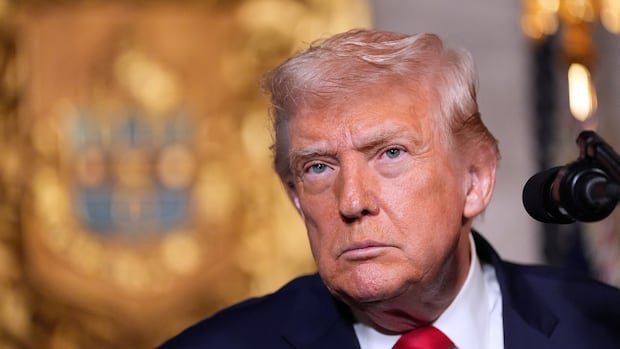

In a rare display of rapid change, U.S. President Donald Trump has significantly altered the political landscape in the first year of his second term. From implementing new tariffs to cracking down on immigration and reducing federal workforce, Trump’s actions have been unprecedented in the nation’s history. Delving into global affairs, he has used economic threats to resolve conflicts and made controversial public statements, even in the wake of public figures’ deaths.
Despite a relatively light legislative agenda, Trump’s party passed a comprehensive bill that overhauled taxes, cut health programs, and dismantled climate-friendly initiatives. Notably, organizations like USAID have seen diminished roles under Trump’s leadership, with public broadcasting support being discontinued following a funding reallocation encouraged by the President.
Trump’s influence extended to Washington, D.C., where structural changes were made to the White House without standard approvals, National Guard troops were deployed for street patrols, and local officials were directed to address civic issues. The President’s involvement with the Kennedy Center, which was renamed in his honor, further exemplifies his substantial impact on American institutions.
Commentators have highlighted the unprecedented nature of Trump’s presidency, drawing comparisons to historical figures like Akhenaten of ancient Egypt. While past presidents have implemented significant reforms, the manner and intensity of Trump’s actions set him apart, transforming the presidency into a highly performative platform.
Data shows that Trump has issued a record number of executive orders, significantly surpassing his predecessors. These orders have covered a wide range of issues, from trade policies to immigration regulations, often bypassing traditional legislative processes. Trump’s unorthodox governing style, marked by a disregard for checks and balances, has drawn criticism for its potential legal implications.
Economically, Trump’s policies have faced mixed reactions, with polls indicating declining approval ratings on his handling of inflation and the economy. Tariffs and trade actions have led to price increases and job losses, impacting American consumers and businesses. The President’s focus on downsizing government and reshaping trade policies has further compounded economic challenges for many Americans.
Healthcare costs remain a concern, as premiums continue to rise without significant policy interventions. Trump’s immigration crackdown has reshaped border security measures, leading to a decline in illegal crossings and increased deportations. While these actions have resonated with some supporters, they have also raised ethical and political questions regarding the treatment of immigrants and potential electoral consequences.
Internationally, Trump’s trade actions have strained relations with Canada, impacting sectors and tourism. The decline in Canadian visitors to the U.S. reflects broader tensions between the two nations, exacerbated by tariff disputes and sovereignty concerns. Despite past conflicts with other countries, Trump’s presidency stands out as unprecedented in its approach and impact on domestic and international affairs.