

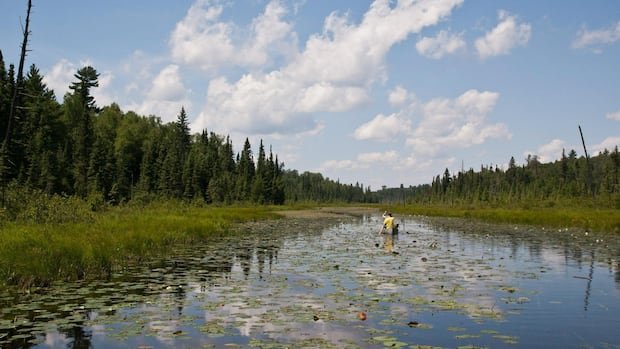

President Trump has removed a federal restriction on mining near the Boundary Waters Canoe Area Wilderness in Minnesota, allowing a South American company to seek permits for extracting precious metals in the region. Environmentalists are concerned that this decision could set a dangerous precedent for eliminating protections on public lands nationwide. Twin Metals Minnesota LLC, a subsidiary of Antofagasta Minerals based in Chile, has been planning to mine for copper, nickel, and other valuable metals in the Superior National Forest since 2019.
The proximity of the proposed mining site to the canoe area has raised fears of potential pollution that could harm one of the few remaining untouched wilderness areas in the country. The Biden administration had previously imposed a 20-year moratorium on mining in the national forest, delaying Twin Metals’ operations.
President Trump’s move to lift the moratorium aligns with his goal of boosting domestic energy and mineral production. Supporters of the decision argue that it will create job opportunities and revitalize the mining industry in Minnesota’s Iron Range. However, critics, including Ingrid Lyons, the executive director of Save the Boundary Waters, have expressed disappointment and emphasized the need to protect the iconic wilderness area.
Twin Metals has welcomed the lifting of the moratorium as an opportunity to enhance mineral supply chains. Nevertheless, the company is aware that it must undergo a thorough permitting process, which could span several years due to the complex regulatory framework involving state, federal, and private lands at the mining site.
One of the initial challenges for Twin Metals is to secure the right to mine following the termination of its federal site leases by the Department of the Interior under the Biden administration. The company has filed a lawsuit seeking to validate the leases, with the case currently under appeal.
To proceed with mining operations, Twin Metals must obtain a mining permit from the Minnesota Department of Natural Resources by demonstrating its ability to prevent water pollution, manage waste rock safely, and restore the land post-mining. Additionally, the company will need to acquire state water and air permits to proceed with its plans.
Potential obstacles for Twin Metals include opposition from U.S. Senator Amy Klobuchar, who voted against lifting the moratorium, and the likelihood of legal challenges from environmental groups, Indigenous tribes, and Canadian officials concerned about cross-border pollution implications. The Boundary Waters, which separates parts of Minnesota from Ontario, is a pristine area known for its strict regulations on logging, air traffic, and motorized watercraft.
The U.S. Forest Service records show a significant number of visitor permits issued for the Boundary Waters between 2020 and 2024, highlighting the area’s popularity for outdoor enthusiasts and conservationists.