


In a recent development, a U.S. trade court has struck down U.S. President Donald Trump’s 10% temporary global tariffs, citing them as unjustified under a trade law dating back to the 1970s. The court’s ruling only blocked the tariffs for two private importers and the state of Washington, leaving them in place for all other importers pending any appeal by the Trump administration, with an expiration date set for July.
The court found Trump’s imposition of the tariffs under Section 122 of the Trade Act of 1974 to be misguided, stating that it was premature to grant victory to the plaintiffs. This decision, affecting a specific set of tariffs due to expire in two months, represents a setback to Trump’s broader tariff plans and comes just before his upcoming trade discussions with Chinese President Xi Jinping.
Despite this setback, the Trump administration still plans to implement tariffs on major trading partners by invoking Section 301 of the Trade Act of 1974, which addresses unfair trade practices. The Court of International Trade in New York rejected a request for a universal injunction on the tariffs, explaining that the states involved did not have the standing to request such relief.
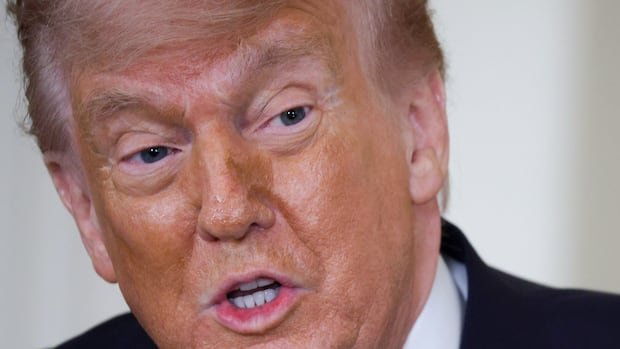
President Trump criticized the court’s decision, attributing it to “two radical left judges.” The White House and the U.S. Trade Representative’s office did not immediately respond to requests for comment on the ruling. The impacted importers, including toy company Basic Fun! and spice importer Burlap & Barrel, argued that the new tariffs were an attempt to bypass a previous Supreme Court ruling on tariffs imposed under the International Emergency Economic Powers Act.
The court ruling found that the law invoked by Trump was not suitable for the trade deficits he cited, indicating a lack of appropriateness in its application. Notably, CUSMA-compliant Canadian exports were exempt from the global tariffs introduced in February.
In response to the court’s decision, Jay Foreman, CEO of toymaker Basic Fun!, expressed relief and emphasized the importance of clarity and stability for companies operating within global supply chains. The ruling has raised questions about its implications, with uncertainties regarding potential appeals and the future of the tariffs beyond July 24.
Economists have raised doubts about the basis for the Section 122 tariffs, pointing out the absence of a balance-of-payments crisis as claimed by the administration. While the administration is expected to challenge the ruling and may impose permanent tariffs under a different authority later on, refunds under Section 122 will likely not be feasible until the appeals process concludes.
Representatives of the impacted importers anticipate further legal actions to seek refunds, contingent on the government’s response to the court ruling and the scheduled expiration of the tariffs in July. This ruling represents a significant development in the ongoing trade disputes and legal battles surrounding U.S. tariff policies.