

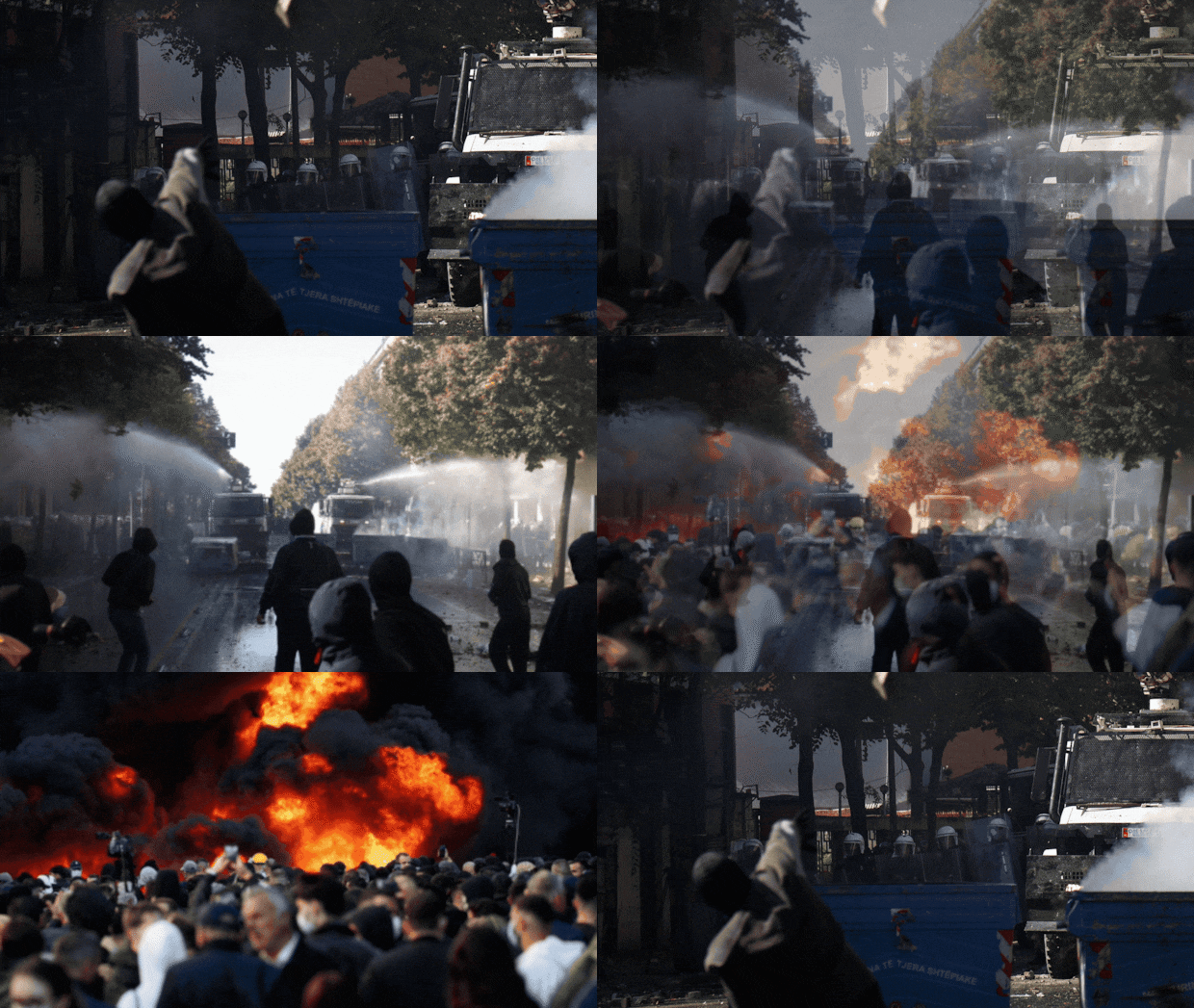

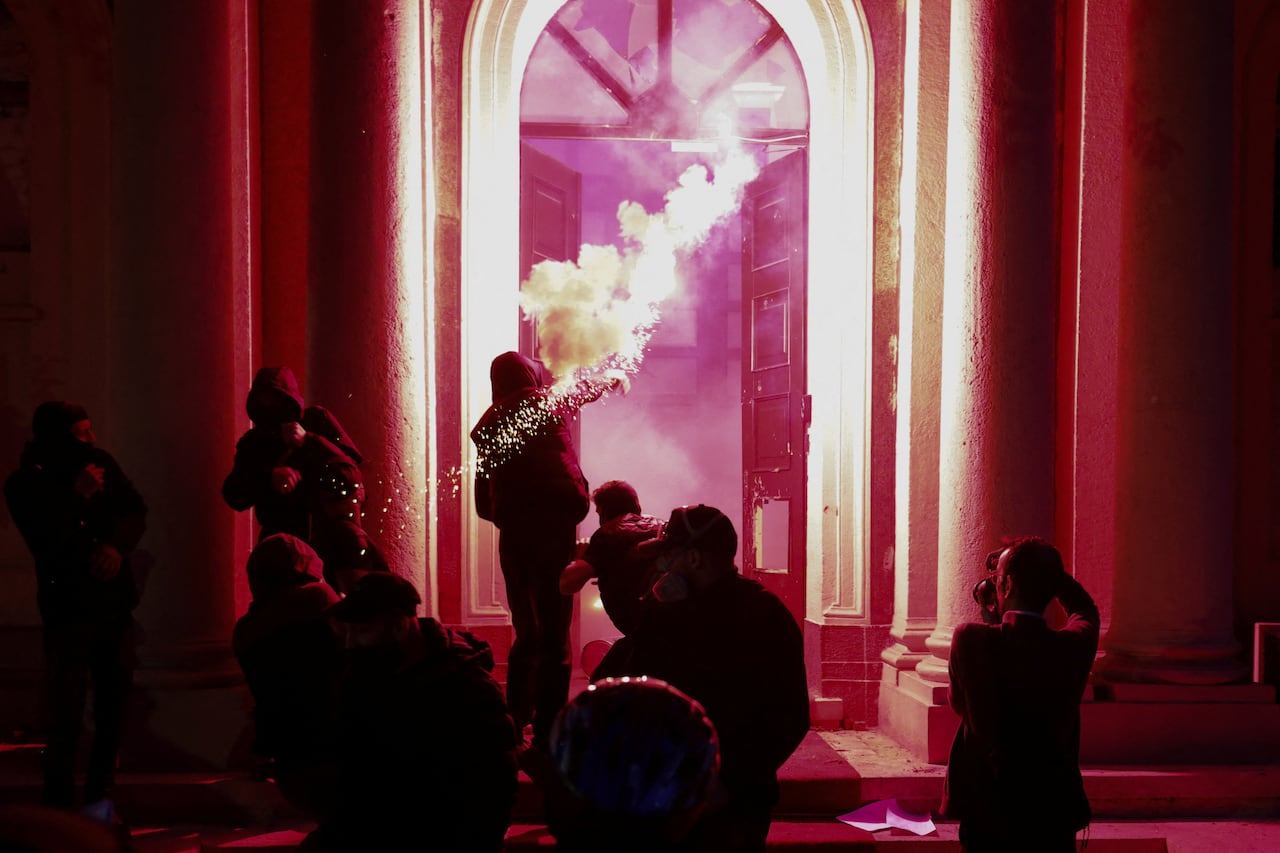
On Wednesday, tens of thousands of students flooded the streets of Tirana, igniting flames at the Education Ministry building and two banks, while also throwing stones at law enforcement, marking the second consecutive day of demonstrations against increasing education expenses and corruption.
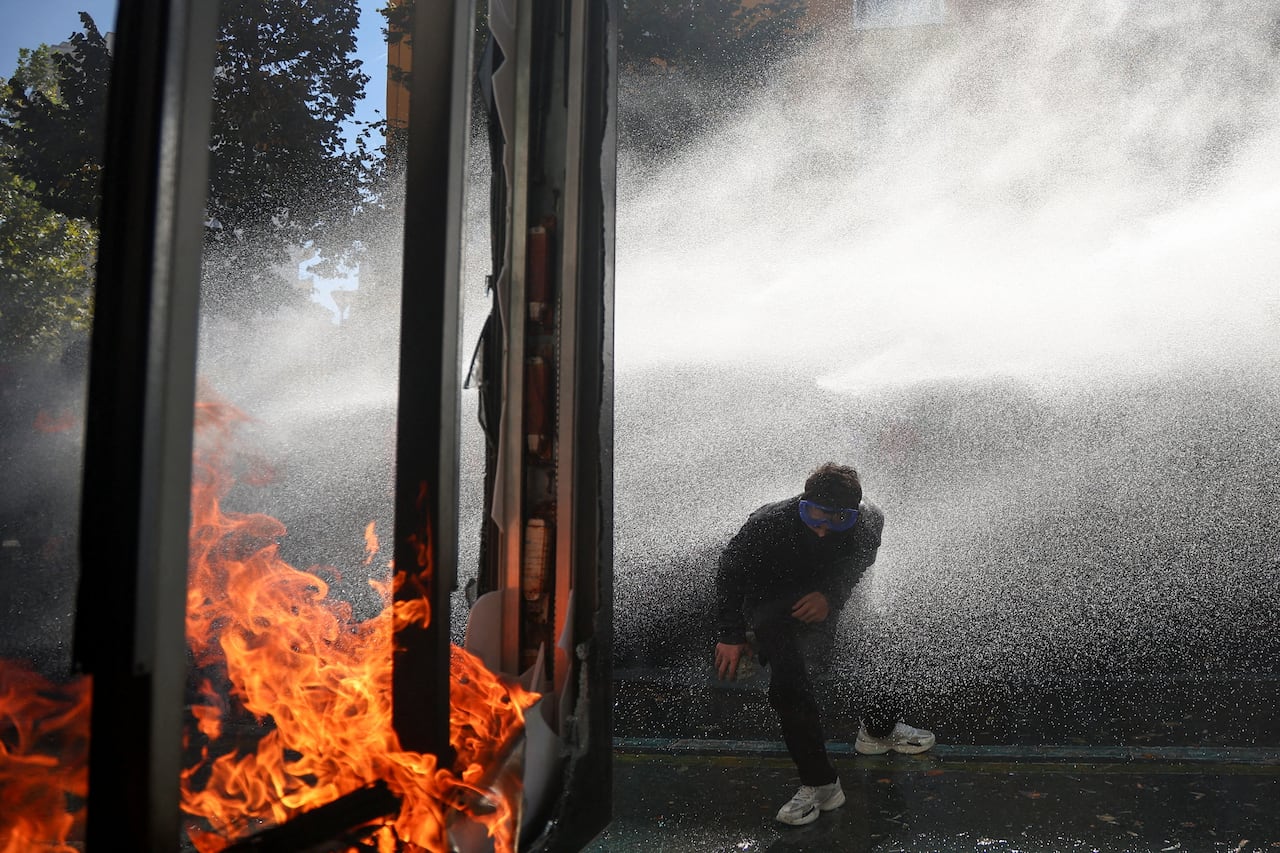
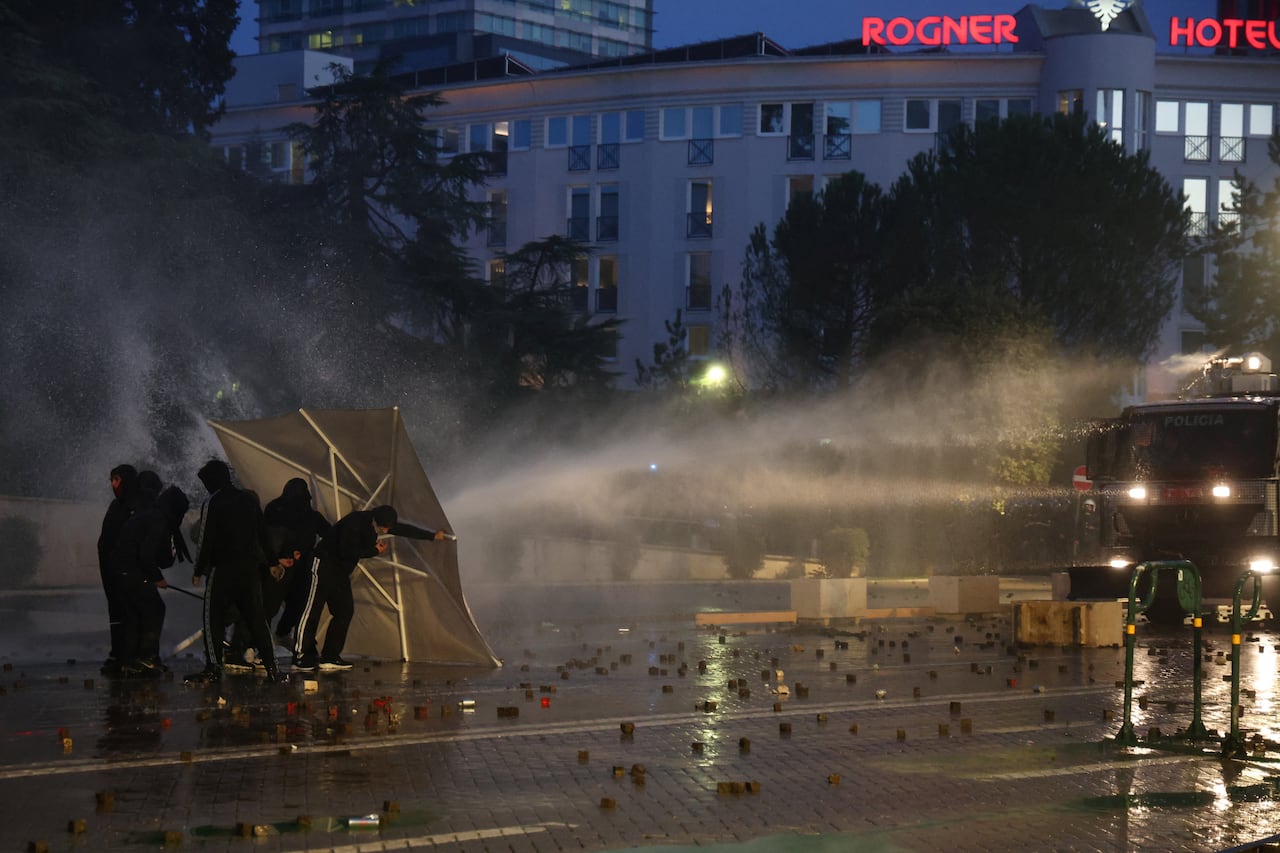
In response, police utilized water cannons and tear gas to scatter the crowds, which had started fires, upturned trash bins, and damaged the fronts of local shops.
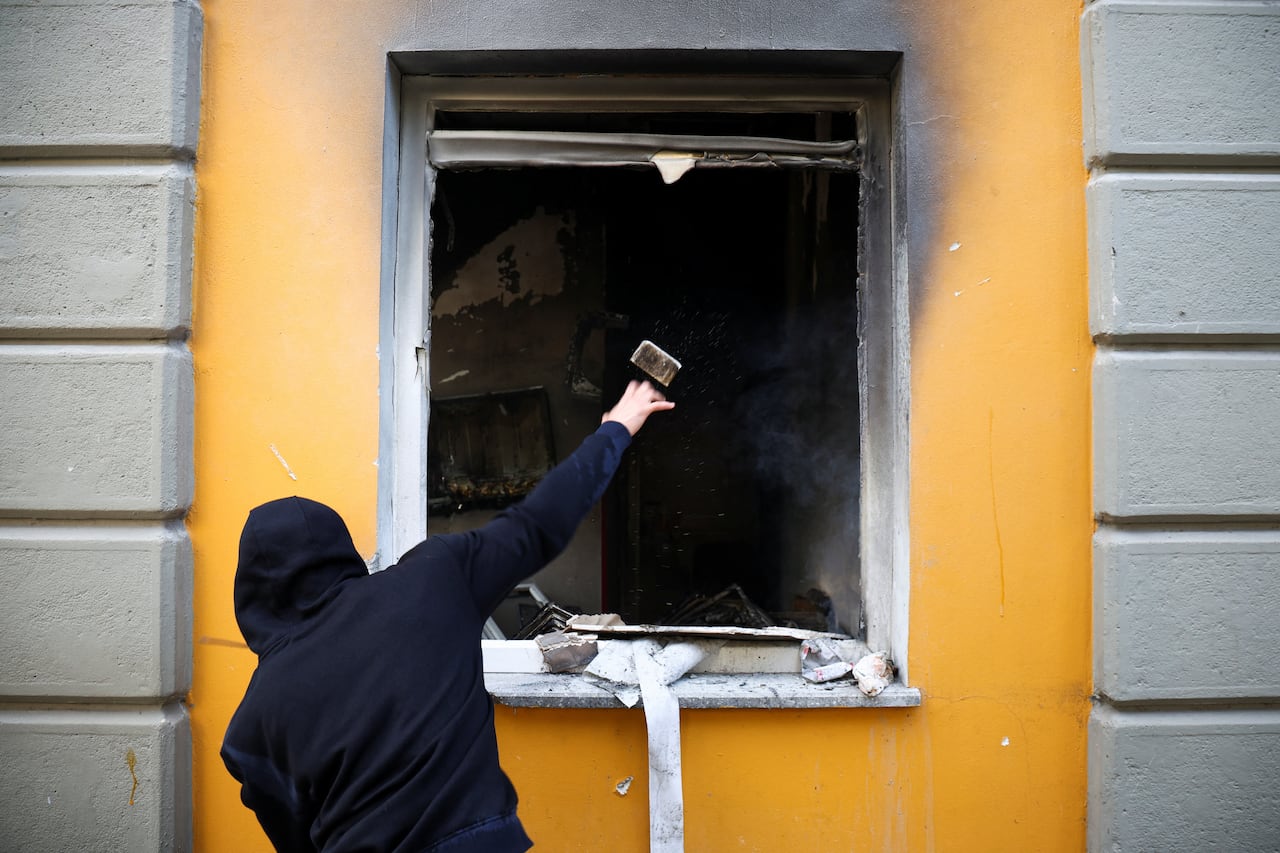
(Florion Goga/Reuters)
As flames erupted, an individual reacted to being hit by water from a police water cannon.
(Florion Goga/Reuters)
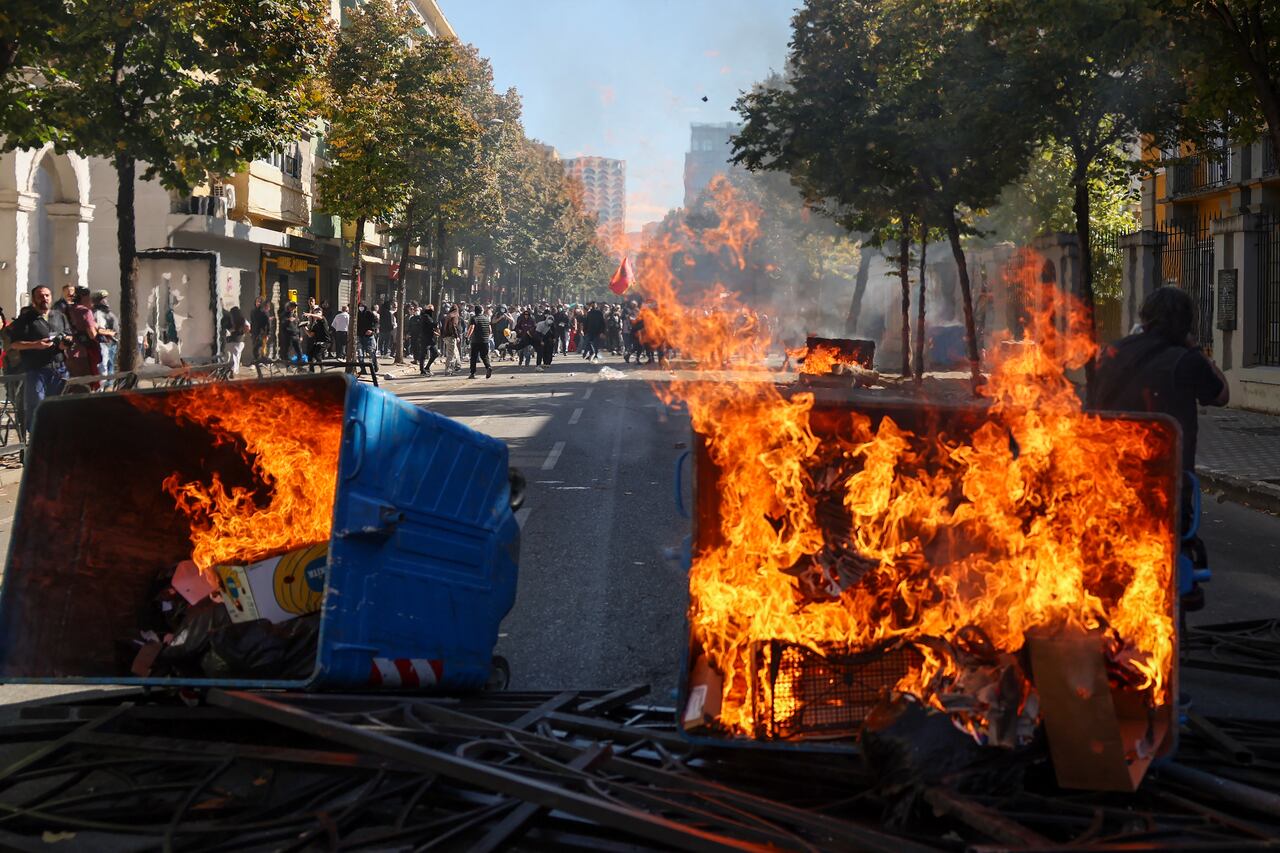
(Adnan Beci/AFP/Getty Images)
One protester hurled an object toward riot police amid the chaos.
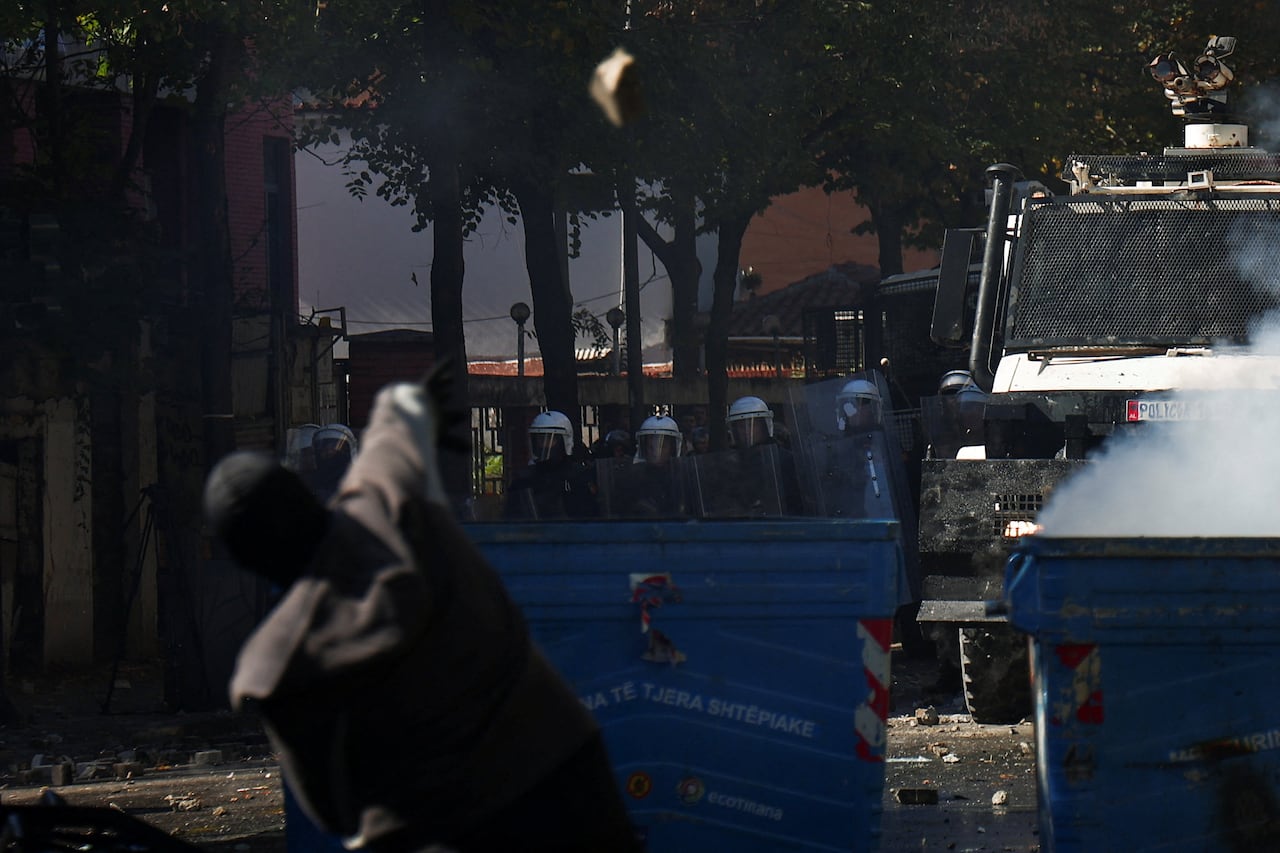
(Florion Goga/Reuters)
This unrest reflects a larger movement of student activism that is spreading across Europe, focusing on education and living standards. In France, high school students have been engaging in weeks of protests and blockades, calling for increased teaching staff and improved facilities, contending that crumbling buildings and overcrowded classes are negatively impacting education.
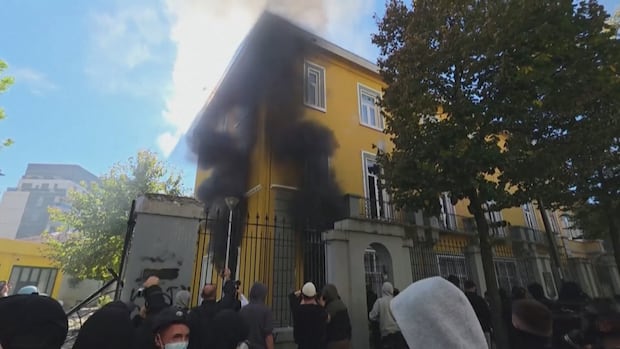
Tens of thousands of students took to the streets of Albania’s capital on Wednesday for a second straight day of protests over rising education costs and corruption. The Education Ministry building was among the structures set alight as police used tear gas and water cannons to disperse crowds and some protesters hurled stones at police.
The turmoil in Albania represents a significant escalation of anti-corruption demonstrations that began in May, posing an increasing challenge to Prime Minister Edi Rama’s administration.
“Protesting is a legitimate right, but it cannot be a justification for violence, property destruction, or ugly confrontations in the streets,” remarked Deputy Prime Minister Albana Koçi on Facebook.
“I urge students and every honest citizen who values the right to protest: Steer clear of violence and vandalism!”
(Florion Goga/Reuters)
An injured police officer makes his way down the street amidst the protests.
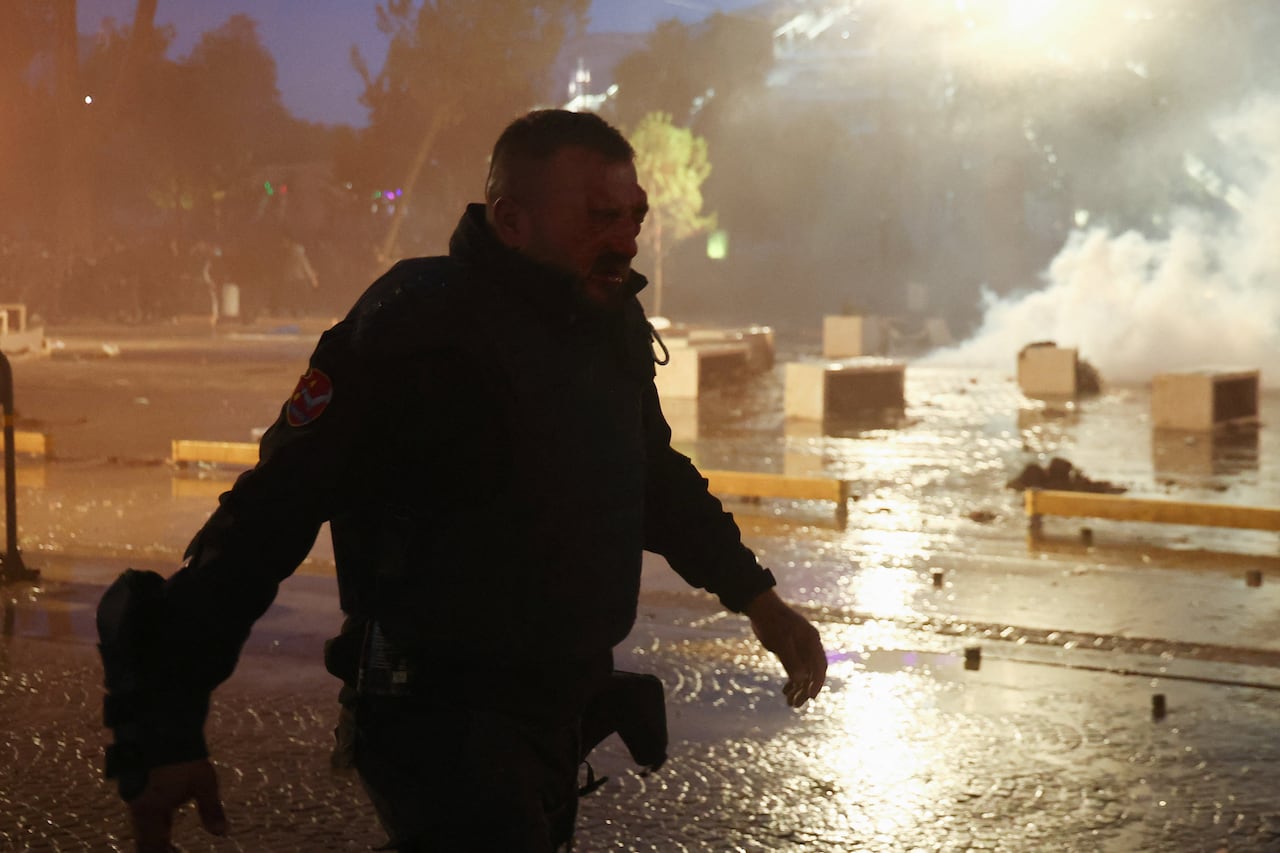
(Florion Goga/Reuters)
According to student organizers, the protests focused on university conditions, rising costs of higher education, financial aid, and job opportunities after graduation.
(Florion Goga/Reuters)