

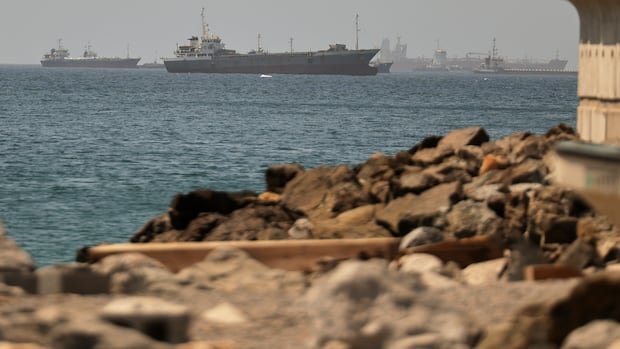

A recent study suggests that the accumulation of organisms on ships stalled in the Gulf region due to the closure of the Strait of Hormuz could lead to a significant spread of invasive species, posing a severe international biosecurity threat when the ships start moving again. Researchers estimate that around 1,500 vessels are currently stranded in the Persian Gulf, with additional ships in the Gulf of Oman, as a result of the strait’s closure amid the U.S.-Iran conflict.
The prolonged stationary period of these ships has facilitated the growth of algae, barnacles, and tunicates on their hulls, potentially allowing these organisms to spread globally if not properly managed. The closure of the strait during a period when organisms are in their active growing and reproductive phases heightens the risk of a “super-spreader” event due to the large number of ships clustered together.
Cleaning the ships before they depart poses a significant challenge, as the current capacity of in-water cleaning companies is insufficient to handle the vast number of vessels within a short timeframe. The study emphasizes the need for proper management to prevent the inadvertent spread of invasive species to new ecosystems.
In light of these findings, experts highlight the importance of addressing biofouling, which has received less attention compared to invasive species introduced through ballast water. The potential ecological implications of the spread of these organisms underscore the need for enhanced regulations and global cooperation to mitigate the risks associated with marine invasions.
The study underscores the interconnected nature of marine invasions, where ships act as vectors for transporting organisms to new regions, potentially establishing new hubs for further spread. The situation in the Gulf region serves as a stark reminder of how geopolitical events can have far-reaching ecological consequences, emphasizing the need for proactive measures to address the risks posed by invasive species.
As the long-term impacts of the situation in the Strait of Hormuz unfold, experts caution that the marine invasion risk could experience a significant escalation, necessitating a comprehensive and coordinated approach to safeguard global marine ecosystems.