

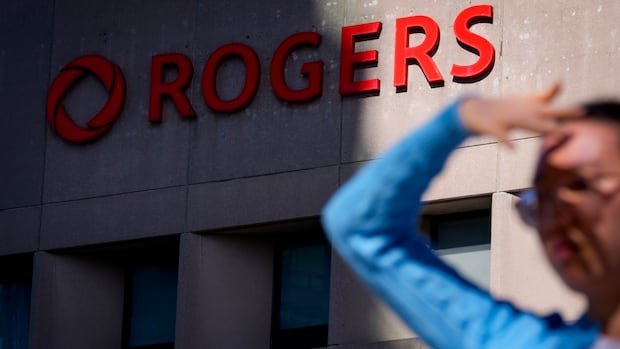

Rogers Communications Inc., a major player in telecommunications, media, and sports, has officially announced to CBC News that it is providing voluntary buyout options to approximately 10,000 eligible employees. The company explained that it is making adjustments to its cost structure to align with current business conditions, offering voluntary departure and retirement programs to certain teams to allow employees to make decisions regarding their future with the company.
Although the exact number of employees expected to take the buyout offer was not disclosed by Rogers Communications, the company’s 2025 annual report stated that it has around 25,000 employees. This move follows the company’s recent announcement in its quarterly report of a 30% reduction in capital spending compared to the previous year, citing challenges from regulatory constraints and competitive pressures.
The buyout offers are extended to select teams within the business units and corporate functions of Rogers, excluding on-air talent, Sportsnet employees at Rogers Sports and Media, Toronto Blue Jays staff, and unionized workers. According to Patrick Horan, a senior portfolio manager at Agilith Capital, Rogers’ decision is not unexpected given its current financial position and the need to address its debt obligations, especially following the acquisition of Shaw Communications for $26 billion in 2023.
The federal government approved the Rogers-Shaw merger under specific conditions, including maintaining a headquarters in Calgary for a decade and creating 3,000 new jobs in Western Canada within five years post-merger. As part of its commitment, Rogers affirmed these obligations in its latest annual report. Horan emphasized the importance for Rogers to reduce operating costs to enhance cash flow, with employee expenses being a significant factor in achieving this goal.
During an investor call, Rogers’ CFO Glenn Brandt mentioned expected restructuring costs linked to the decrease in capital spending. The company’s shares closed at $49.85 on Monday, marking a 1.2% increase from the previous trading session. The move by Rogers comes amid reports of increased reliance on AI for customer service calls, with concerns raised about service quality and customer experience.