

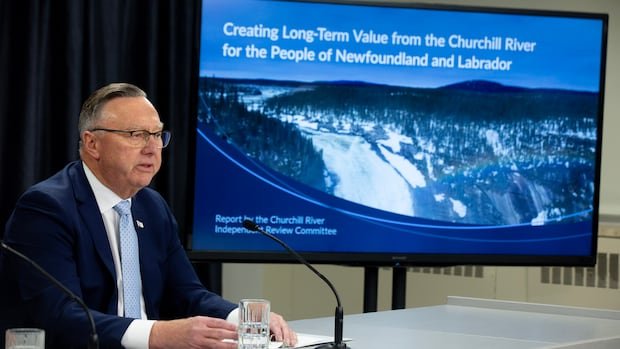

Elected officials in Quebec express optimism about reaching a favorable agreement with Newfoundland and Labrador regarding Churchill Falls. A recently released report, commissioned by the Newfoundland and Labrador government, highlighted significant concerns with the existing memorandum of understanding (MOU), stating that it does not serve the public interest.
Newfoundland and Labrador Premier Tony Wakeham initiated a review committee in December to address these issues and has committed to subjecting any future agreement to a public referendum. The MOU, initially agreed upon by former premiers François Legault and Andrew Furey in 2024, was slated for formalization in April 2026.
In response, Wakeham has appointed a new three-member negotiation team and emphasized the necessity of substantial improvements before considering signing the deal. Quebec Premier Christine Fréchette echoed the importance of reaching a mutually beneficial agreement, emphasizing collaboration for economic and energy development in both provinces.
Quebec’s Energy Minister Bernard Drainville affirmed the province’s dedication to securing an advantageous deal for all parties involved. However, the timeline for finalizing the agreement before Quebec’s upcoming election on October 5 remains uncertain, despite confidence in achieving a swift resolution.
Hydro-Québec, in an official statement, welcomed the resumption of discussions and emphasized the need for a balanced and beneficial agreement for its customers. Prime Minister Mark Carney and Federal Energy Minister Tim Hodgson also expressed support for the negotiations, acknowledging the primary role of the provinces and Hydro-Québec in reaching a resolution.
Meanwhile, political figures in Quebec have raised concerns about potential federal intervention and urged a transparent and equitable resolution to the Churchill Falls issue. The Quebec government faces pressure to demonstrate leadership and address the challenges posed by the existing agreement.