

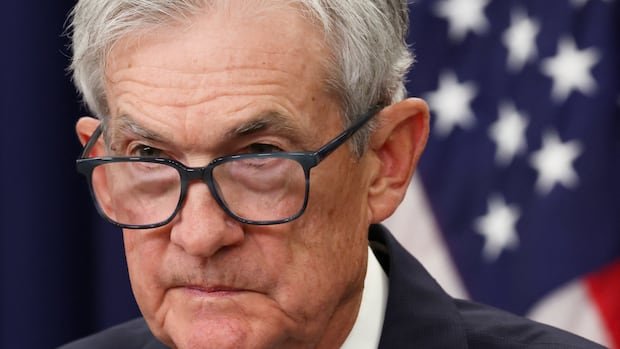

Jerome Powell announced on Wednesday that he intends to continue serving on the U.S. Federal Reserve board even after his term as chair ends next month. Powell expressed concerns about the “unprecedented” legal challenges from the Trump administration, which he believes threaten the independence of the central bank.
By choosing to remain on the board, Powell is preventing President Trump from appointing a new member to the seven-person governing board. If confirmed, Trump’s appointee Kevin Warsh would replace Powell as chair. Powell is expected to remain on the board until at least January 2028, taking over the seat currently held by Stephen Miran, whose term concluded in January.
The decision by Powell could potentially complicate Warsh’s efforts to implement the rate cuts demanded by Trump, according to economists. The U.S. Attorney for the District of Columbia, Jeanine Pirro, announced the end of the criminal probe into the Fed’s building renovations, leaving the matter to the Fed’s inspector general for further review.
Powell stated that he would only leave the board when he deems it appropriate, emphasizing the need for a conclusive and transparent conclusion to the investigation. The Fed decided to maintain its benchmark interest rate unchanged at its recent meeting, signaling a possibility of future rate cuts amid economic uncertainties.
Trump responded to Powell’s decision with criticism on social media, questioning Powell’s motives. Warsh has pledged to bring changes to the central bank, including potential adjustments to economic models and communication strategies. Powell expressed confidence in Warsh’s ability to resist political pressures.
Powell’s prolonged stay on the board may heighten tensions with the Trump administration and lead to potential divisions among policymakers. Despite concerns about the Fed’s independence, Powell reiterated the importance of making monetary policy decisions without political influence. The ongoing legal battles to safeguard the Fed’s autonomy remain a point of contention.