


Efforts to de-escalate tensions between the United States and Iran hit a roadblock when both sides engaged in naval confrontations in the Gulf on Friday. A recent U.S. intelligence report suggested that Iran could withstand a naval blockade of its ports for approximately four more months without severe economic repercussions. Despite this, Washington’s leverage over Tehran remains constrained as they strive to resolve a conflict that lacks popular support among U.S. citizens.
While the Washington Post initially disclosed the intelligence assessment, a senior U.S. official disputed these findings, emphasizing that the blockade was inflicting tangible economic harm on Iran by disrupting trade and revenue streams, leading to a systemic economic breakdown. Recent days have witnessed heightened hostilities in the Strait of Hormuz, with the United Arab Emirates encountering fresh attacks on Friday.
The United States is eagerly awaiting Iran’s response to a proposed agreement aimed at officially ending the war before delving into more contentious issues such as Iran’s nuclear program. U.S. Secretary of State Marco Rubio expressed expectations of receiving a response from Tehran imminently.
Iran’s foreign ministry spokesperson indicated that Tehran was evaluating its response, with no official communication reported by mid-afternoon in Washington or just before midnight in Tehran. The situation in the Strait of Hormuz saw intermittent clashes between Iranian armed forces and U.S. vessels, as reported by Iran’s Fars news agency, which later noted a relative calm with a caution of potential future clashes.
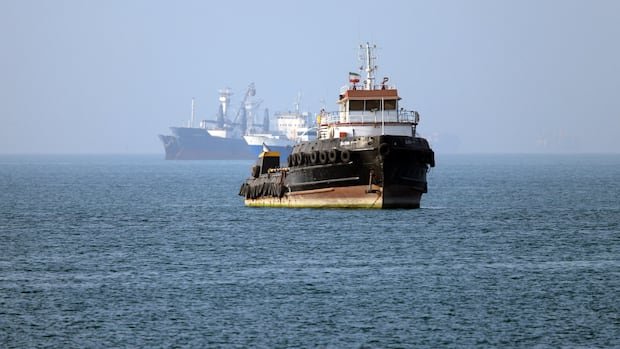
In a separate incident, the U.S. military disclosed intercepting two Iran-affiliated vessels attempting to access an Iranian port, with a U.S. fighter jet compelling them to retreat by targeting their smokestacks. Since the commencement of the conflict with joint U.S.-Israeli airstrikes on Iran on February 28, Iran has significantly impeded non-Iranian shipping through the strait, leading the U.S. to impose a blockade on Iranian vessels last month.
The escalation in tensions saw oil prices surge, with Brent crude futures exceeding $101 per barrel, albeit still reflecting a more than six percent decrease for the week. President Trump affirmed on Thursday that the ceasefire remained intact despite recent escalations in the strait, a critical global oil supply route.
Beyond naval confrontations, the United Arab Emirates reported engaging with ballistic missiles and drones from Iran, resulting in moderate injuries. Iran’s intensified attacks this week followed Trump’s announcement of “Project Freedom,” aimed at safeguarding ships in the strait before its temporary suspension.
As diplomatic efforts continue, the U.S. intensified sanctions targeting Iran to exert pressure on the country. The U.S. Treasury announced sanctions on ten individuals and entities, including some in China and Hong Kong, for aiding Iran’s military in acquiring weapons and materials for building drones. The U.S. Treasury emphasized its readiness to take further economic actions against Iran’s military industrial base to prevent Iran from rebuilding its production capabilities and extending its influence abroad.
The announcement coincided with Trump’s upcoming trip to China for a meeting with President Xi Jinping, underscoring the complex geopolitical dynamics at play amid the U.S.-Iran conflict.