

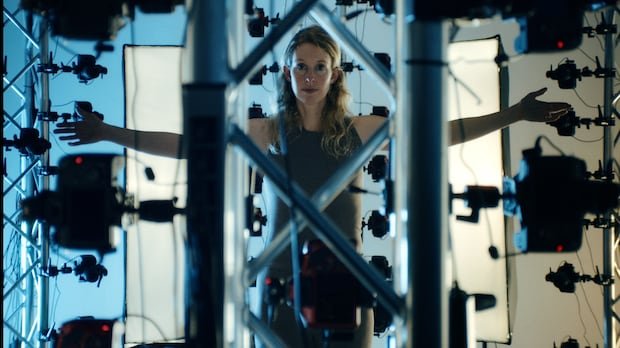

“You Can See Everything” has become a must-watch film that has captured the attention of audiences, with many flocking to theaters during its opening weekend to experience the nearly three-hour documentary on Elizabeth Holmes, the controversial founder of Theranos. The movie raked in over $15 million in ticket sales during its debut weekend, marking the second-highest opening weekend for a non-musical documentary in domestic box office history, trailing only behind 2004’s “Fahrenheit 9/11.” Despite a limited release in just 855 theaters across Canada and the U.S., the film garnered rave reviews, achieving a remarkable 99% fresh rating on Rotten Tomatoes and a 4.8 rating on Letterboxd, making it the highest-rated movie on the platform to date.
Following the positive reception, viewers expressed their astonishment and excitement online. Comments poured in, with one user on Letterboxd, James (Schaffrillas), describing the documentary as a “phenomenal crazy fever dream,” while another user, vgoodatkissing, praised it as “absolutely phenomenal.”
The documentary, co-directed and produced by Nathan Fielder and Lance Oppenheim, offers an intimate look into the lives of Elizabeth Holmes, her partner Billy Evans, and their children, just 34 days before Holmes was set to begin serving an 11-year prison sentence for fraud. Viewers experienced a visceral reaction to the film in theaters, with audiences leaning in, gasping, applauding, and laughing throughout the screening.
The film’s trailer provides a glimpse into the unique dynamic between Fielder and Holmes, showcasing their unconventional communication style. Known for his provocative interviews and unconventional approach to storytelling, Fielder delivers intense and uncomfortable conversations in the documentary, leaving viewers questioning the truth and their perceptions of reality.
Distributed by A24, the same company behind other acclaimed films like Olivia Wilde’s “The Invite” and the Anthony Bourdain biopic “Tony,” “You Can See Everything” reinforces A24’s reputation for collaborating with visionary directors and pushing the boundaries of storytelling. The documentary’s thought-provoking narrative and artistic vision have sparked discussions and debates among audiences, prompting them to contemplate the nature of truth and storytelling in cinema.
As audiences continue to engage with the film, it has reignited interest in theatrical experiences and stimulated conversations about the complexities of truth and storytelling. “You Can See Everything” stands as a testament to the power of cinema in sparking dialogue and challenging viewers to confront uncomfortable truths and unanswered questions, creating a shared experience that lingers long after the credits roll.