

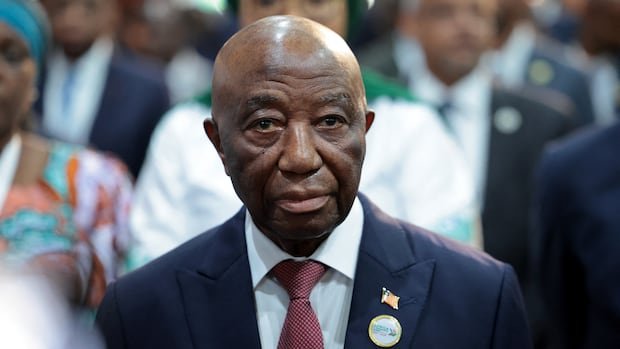

Liberia has reached an agreement to welcome a maximum of 1,200 third-country deportees from the United States within the next 12 months, with an initial batch of 20 individuals set to arrive on Thursday, according to a statement released by the government.
The statement from the Liberian government, issued on Tuesday, indicated that the deportees “will consist of citizens or nationals from African and Western Hemisphere countries who have been granted medical clearance to travel.”
Specific information regarding the nationalities of the deportees was not immediately provided. The U.S. State Department stated that it refrains from disclosing such specifics.
Historically, the U.S. has upheld the principle of non-refoulement in its domestic immigration laws and international treaties. This principle mandates not repatriating migrants to their countries of origin or third-party nations where their fundamental rights, safety, or freedom might be jeopardized due to factors like race, religion, or nationality.
However, since assuming office in January 2025, the administration of U.S. President Donald Trump has entered into multiple agreements with various African nations, as well as other global territories, to deport individuals it cannot feasibly return to their home countries. Washington has asserted the legality of these third-country agreements, with courts generally hesitant to intervene in executive branch matters, despite certain critiques concerning the lack of advance notice provided to deportees.
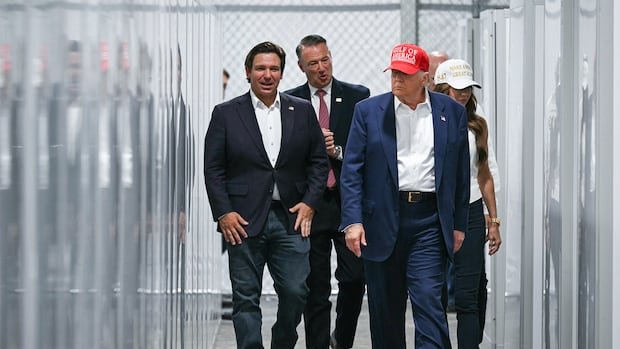
A growing network of U.S. companies are profiting significantly from the Trump administration’s strict immigration policies. CBC’s Jonathan Montpetit, reporting for The National, delves into the transformation of ICE detention into a lucrative industry and its implications for those detained.
Legal experts specializing in immigration have suggested that the Trump administration leverages third-country deportations as a legal workaround because, in many instances, migrants are sent to unfamiliar destinations where they are left with minimal alternatives other than finding a way back to their countries of origin from which they were escaping.
Liberian President Joseph Boakai was among five West African leaders who visited the White House last year to confer with Trump. According to Reuters reports from that time, Trump encouraged the leaders to accept third-country deportees.
Liberia stated on Tuesday that the deportees would be treated as “guests” who have the freedom to depart whenever they wish and are eligible to seek asylum in Liberia. The government clarified that the agreement was not subject to any quid pro quo with Washington, and Monrovia was not seeking compensation for hosting the deportees.