


Lebanon is facing a critical juncture. Israeli military operations are devastating depopulated areas in the country’s south, while Hezbollah, a Shiite militia backed by Iran, has propelled Lebanon into conflict with Israel. President Joseph Aoun’s government is caught between these two factions. The government’s ability to navigate this challenging situation hinges on persuading Shiite women like Diaa Dia Skafi to shift their allegiance from militants to Aoun’s disarmament plan.
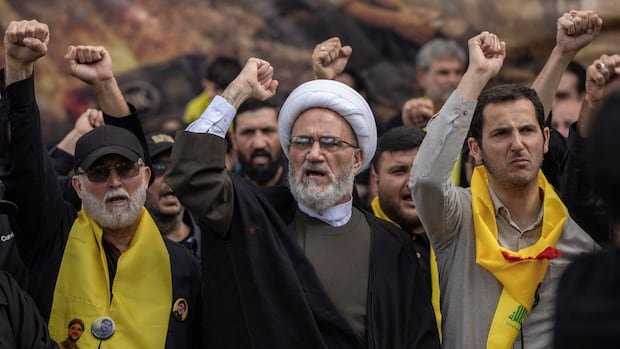
Skafi, a 48-year-old grandmother, expressed frustration with the government’s failure to address the needs of the south. At a mass funeral in Kfar Sir, she mourned alongside coffins bearing Hezbollah’s distinctive colors, containing fighters, a bank employee, a paramedic, and a scout group member—all victims of Israeli attacks. Skafi highlighted the absence of the Lebanese army during these assaults, crediting only Hezbollah for assistance in defending their land.
Hezbollah’s involvement in the conflict escalated following rocket attacks on Israel, leading to a ceasefire agreement between Israel and Lebanon. However, Hezbollah was excluded from the negotiations, creating tensions. Aoun’s direct talks with Israel marked a significant diplomatic shift, challenging Lebanon’s tradition of non-recognition of Israel. Despite these developments, challenges persist, with ongoing Israeli strikes and the complex task of disarming Hezbollah.
Hezbollah, initially a resistance group during Lebanon’s civil war, has evolved into a potent political and military force, deeply embedded in Lebanon’s social fabric. Disarming Hezbollah without triggering internal conflict remains a daunting dilemma for Lebanese authorities. Skafi and others assert Hezbollah’s role in protecting their communities and land, complicating disarmament efforts.
Aoun’s initiatives to demilitarize Hezbollah faced initial support but encountered obstacles, including Israeli attacks and Hezbollah’s refusal to surrender weapons while Israeli troops remain in Lebanon. International backing for Lebanon’s disarmament objectives is evident, with the U.S., UK, EU, and Canada supporting efforts to strengthen Lebanon’s military presence in Hezbollah strongholds.
As the ceasefire remains fragile, Lebanon faces pressure to assert state authority and address the Hezbollah-Israel conflict. The upcoming expiration of UNIFIL’s peacekeeping mission poses additional challenges, requiring Lebanon’s armed forces to assume border control responsibilities. Local leaders express discontent with both Hezbollah and the government, emphasizing the need for a capable army to negate the necessity for militia forces.
Despite Hezbollah’s resilience, internal dissent and shifting public sentiments may erode its influence over time. The prospect of disarming Hezbollah within a few years, according to experts, hinges on altering perceptions and embracing change. The evolving dynamics in Lebanon suggest a potential shift away from Hezbollah’s dominance as the country grapples with its future path.