

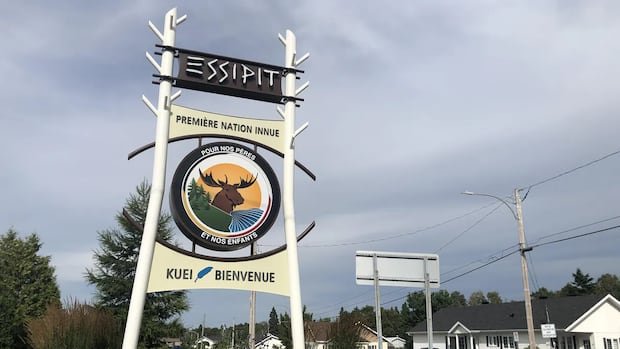

In Quebec, over 700 members of the Innu First Nation of Essipit have recently had their Indian status revoked by a federal decision that is currently being contested in court. The affected individuals, who are descendants of Christine Kichera and Adelaïde Matshiragan, were removed from the Indian Register by the federal Office of the Indian Registrar.
Historically, the two Innu women, who lived in the late 1700s, married non-Indigenous men, leading to the loss of their status under previous Indian Act provisions. It was only in 2019 that their descendants regained their status after amendments were made to address gender-based discrimination.
However, in 2024, descendants of Kichera and Matshiragan were notified via registered letters that their status was under review and were given 120 days to provide evidence of their eligibility. A final decision on November 5, 2025, revoked the status of the two women and their descendants immediately.
The abrupt status revocation has caused concerns among Essipit residents, with fears of potential evictions or losing the ability to remain in the community. Access to federal benefits, including the Non-Insured Health Benefits program, has also been cut off, leaving individuals with chronic illnesses in a vulnerable position.
The Essipit Innu band council has assured affected individuals that they will not face immediate eviction and has provided a three-year grace period to regularize their status. In response, the affected descendants have taken legal action by filing a motion in Federal Court to challenge the registrar’s decision and regain their status.
The core issue revolves around the authenticity of an 18th-century record documenting the Innu identity of the two women. Due to historical record-keeping challenges, proving lineage has become a complex task, particularly for Indigenous women. The stringent proof requirements pose a significant obstacle for descendants trying to establish their ancestral connections.
Audrey Mayrand, the lawyer representing the affected individuals, emphasized the distressing impact of the situation on both the individuals and the community as a whole. The lack of clarity surrounding membership rights has created uncertainty among Essipit residents. Mayrand stressed the need for a more flexible approach to validating ancestry, considering the historical context of Indigenous record-keeping practices.
As of now, the Office of the Indian Registrar has not provided any comments on the matter.