

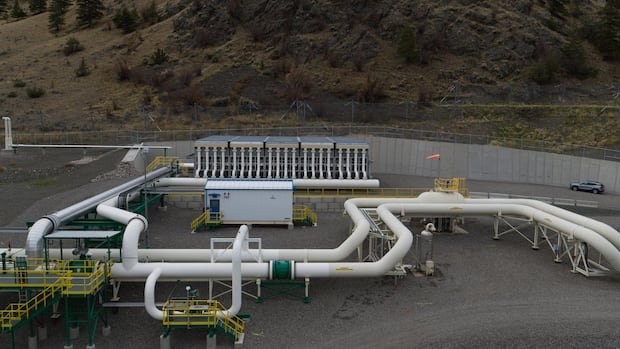

The Canadian government has given the green light to Enbridge Inc.’s $4 billion proposal to enhance an existing natural gas pipeline in British Columbia. The Sunrise project, which aims to expand Enbridge’s Westcoast system by 300 million cubic feet per day, involves the construction of nearly 140 kilometers of new pipe through the addition of 11 looping segments.
Matthew Akman, the head of Enbridge’s gas transmission and midstream business, mentioned that while the gas from the expanded line is not earmarked for a specific destination, a portion of it is likely to be exported. Despite not being subject to recent legislation designed to expedite national interest infrastructure projects, Akman expressed gratitude for the government’s more decisive approach under Prime Minister Mark Carney’s administration.
Natural Resources Minister Tim Hodgson emphasized the significance of the Sunrise project in providing increased gas supply for various purposes, including heating, power generation, and industrial processes, as well as supporting the liquefied natural gas (LNG) sector. The project is projected to contribute over $3 billion to Canada’s GDP and generate approximately 2,500 jobs at the peak of construction.
Furthermore, the government aims to advance more projects swiftly, with plans to have several new initiatives either reaching the final investment stage or commencing construction by spring 2027. This initiative aligns with the government’s strategy to accelerate project development and bolster economic growth.
The expansion of the pipeline not only aligns with Canada’s goal of diversifying its energy exports but also reinforces the country’s position as a crucial supplier to the United States. Heather Exner-Pirot, a senior fellow at the Macdonald-Laurier Institute, highlighted the increasing demand from the U.S. for Canadian natural gas, emphasizing the importance of Canada’s energy exports in meeting these needs.
The approval of the Sunrise project is viewed as a strategic move by the Carney government to stimulate economic growth and demonstrate progress in energy infrastructure development. Despite potential challenges, including opposition from environmental groups and Indigenous communities, the project is anticipated to benefit the economy and contribute to Canada’s energy objectives.