

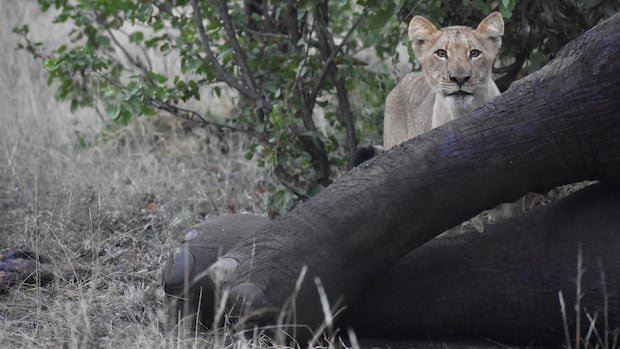


In the vast African savannah, elephants are playing an unexpected role in the ecosystem even after their demise, as revealed by a recent examination conducted by an international research team in South Africa’s Kruger National Park.
Known for their influence on the environment while alive, these majestic creatures, often dubbed as “ecosystem engineers,” shape the landscape by creating waterholes, toppling trees, and consuming large quantities of vegetation.
Lead author of the study, ecologist Courtney Reed, explained that the research aimed to uncover whether the significant impacts elephants have on the environment while alive persist post-mortem.
Published in the Proceedings of the National Academy of Sciences of the United States of America, the study delves into how the nutrients from elephant carcasses continue to influence the ecosystem long after their death.
Ecosystem Regeneration
By analyzing soil composition, biodiversity, and animal behavior around the massive elephant carcasses, researchers discovered that decomposition releases substantial nutrient reserves into the soil. This stimulates microbial activity, fostering the growth of nutrient-rich plants that attract herbivores to the site for an extended period.
According to the study, the effects of this process can last over seven years following the elephants’ demise.
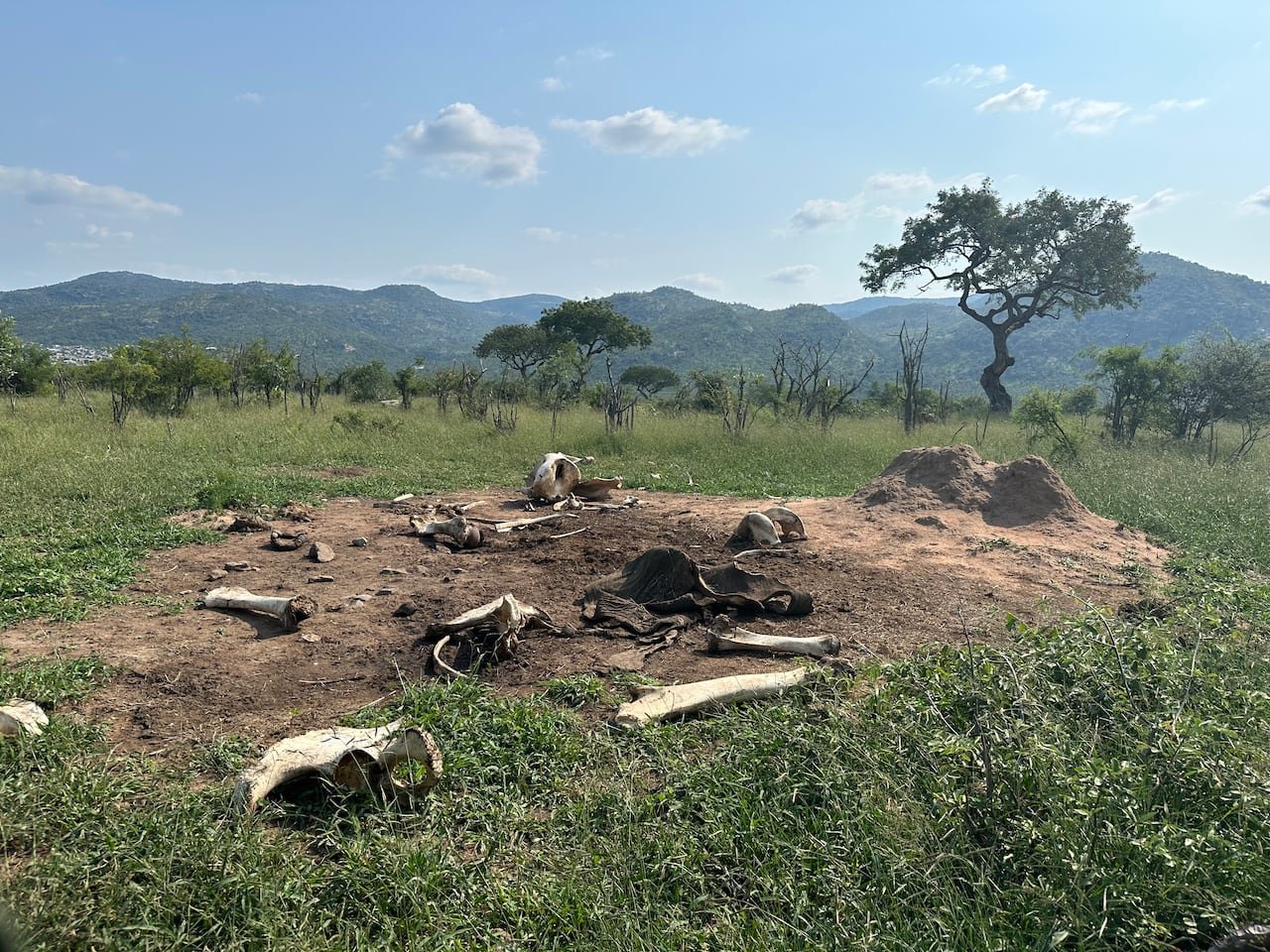
The study revealed that the initial surge of nutrients from elephant carcasses can temporarily inhibit vegetation growth, resulting in barren patches known as “cold spots” in biodiversity. (Submitted by Courtney Reed)
Courtney Reed noted that the excessive nutrients initially impede vegetation growth by creating high concentrations of nitrogen, particularly ammonium, which can be toxic to plants. However, as time progresses, the ecosystem recuperates as excess ammonium diminishes and bacteria convert it into nitrate, a more plant-friendly nitrogen form.
The returning vegetation becomes a vital