

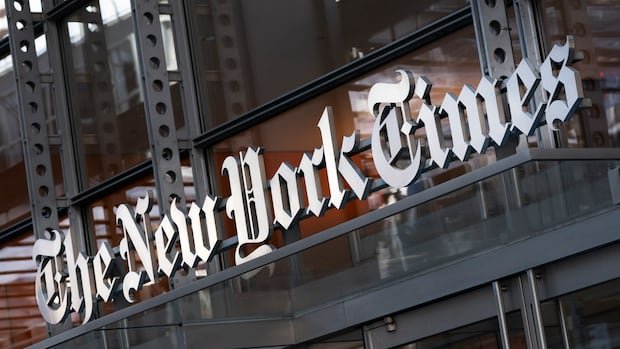

The U.S. Equal Employment Opportunity Commission (EEOC) has initiated legal action against the New York Times, alleging that the media outlet discriminated against a white male employee by promoting a less qualified woman to meet diversity targets. The lawsuit, filed in a federal court, claims that the decision to overlook the male employee for a senior editorial position in 2025 was influenced by the company’s diversity initiatives aimed at increasing the representation of women and people of color in leadership roles.
In response, the New York Times has dismissed the lawsuit as politically motivated and stated its intention to vigorously defend against the allegations. The EEOC, representing a New York Times editor who filed a complaint, cited violations of Title VII of the 1964 Civil Rights Act, which prohibits discrimination based on sex, race, national origin, or religion in the workplace.
EEOC Chair Andrea Lucas, a Republican appointee, emphasized the agency’s commitment to enforcing anti-discrimination laws impartially, regardless of the employer’s stature. Lucas underscored that the EEOC under her leadership would prioritize fair and unbiased enforcement of Title VII to safeguard the rights of all workers, including white males.
The New York Times spokesperson countered the allegations, asserting that the selection process was based on merit, with the appointed candidate being the most qualified for the role. The lawsuit, filed in the U.S. District Court of the Southern District of New York, highlighted discrepancies in the hiring decision, pointing out that the chosen candidate lacked specific experience in real estate journalism.
The lawsuit also referenced the New York Times’ diversity and inclusion initiatives, including its “Call to Action” plan aimed at increasing diversity in leadership positions. The EEOC noted that while the New York Times had met its diversity targets, it continued to prioritize diversity in its policies, prompting scrutiny of its decision-making processes.
Lucas has been vocal in criticizing diversity targets in corporate settings, cautioning against policies that may inadvertently lead to discrimination based on race or gender. The EEOC’s actions, including investigations into other companies like Nike for alleged racial discrimination against white employees, have sparked debates over the intersection of diversity initiatives and anti-discrimination laws in the workplace.