

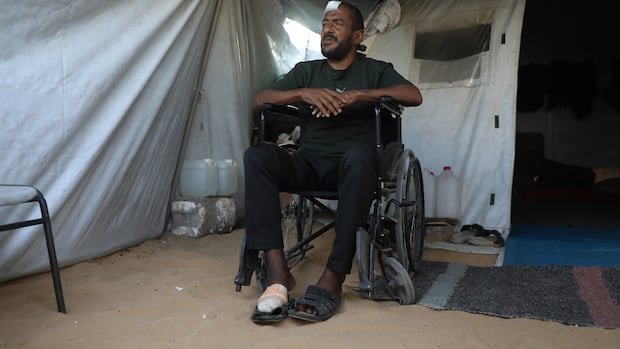

Rats are causing havoc in the makeshift tents set up at Yarmouk stadium in Gaza City. Displaced Palestinians, seeking refuge after Israeli airstrikes, have erected tarps near a garbage dump where the rodents thrive.
Residents of the tents report being plagued by large black rats that scurry around, sometimes even biting them while they sleep, leading to the spread of diseases. The dire living conditions persist despite a fragile ceasefire between Israel and Hamas, leaving around two million Palestinians displaced in Gaza.
The United Nations Office for the Co-ordination of Humanitarian Affairs highlights the persistence of rat infestations in Gaza due to the extensive destruction, creating a breeding ground for rodents and exacerbating the residents’ plight.
The UN reported over 70,000 cases of ectoparasitic infestations in Gaza, with a majority of displacement sites facing visible rodent or pest issues, along with skin infections like scabies and lice. Rats pose health risks, including the spread of diseases like hantavirus and Leptospirosis, according to the U.S. Centers for Disease Control.
Efforts to address the sanitation problem include the entry of pest control materials and mousetraps into Gaza, coordinated by COGAT, the Israeli military agency governing access to the region. However, residents like Kifah Subh continue to struggle with the infestation, resorting to various methods without success.
Dr. Ayman Abu Rahma from the Gaza Health Ministry describes the environment as a health hazard, with an uptick in emergency cases due to rat bites, particularly among vulnerable populations. Save the Children’s Joel Onyeke emphasizes the worsening conditions in Gaza due to waste accumulation and collapsed infrastructure, calling for immediate pesticide use to combat the infestation.
Residents like Basel Al-Dahnoun and Maha Alian share harrowing experiences of rat bites and invasion of living spaces, underscoring the urgent need for intervention to address the dire situation in Gaza. Despite challenges in waste disposal and restricted humanitarian aid access, efforts are ongoing to mitigate the rat infestation and improve living conditions for the affected population.