

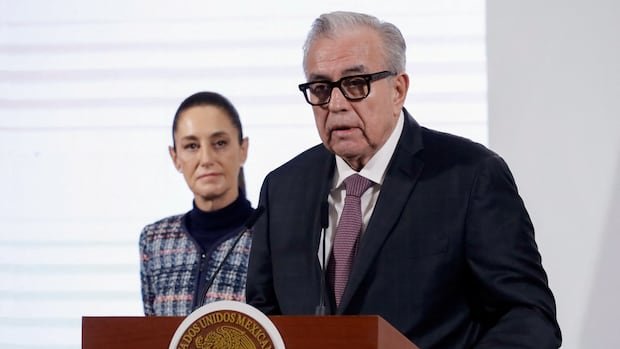

The demand by Claudia Sheinbaum’s administration for undeniable evidence before extraditing a prominent elected official to the United States on charges related to drug cartels highlights a perceived double standard in Mexico’s fight against organized crime, experts suggest. The U.S. revealed an indictment on April 29 seeking the extradition of Rubén Rocha, who was the governor of Sinaloa at the time, along with other officials. Initially, the Mexican government resisted the request, claiming insufficient evidence provided by the U.S. Sheinbaum emphasized the need for overwhelming proof before taking action against Rocha and his associates, citing the protection of Mexico’s sovereignty.
While the Attorney General’s Office is investigating the allegations, legal expert Marco Antonio Avilés criticized the higher burden of proof set by the Mexican authorities in the Rocha case compared to standard extradition procedures. Avilés highlighted that Mexico has, in the past 15 months, transferred 92 individuals to face U.S. courts on cartel-related charges without due process, raising concerns about constitutional rights violations.
The unsealed U.S. indictment alleges that Rocha colluded with the sons of imprisoned Sinaloa cartel leader Joaquín “El Chapo” Guzmán Loera to secure his gubernatorial victory in exchange for allowing them to operate freely in the state. Rocha, a member of the National Regeneration Movement (Morena), has denied the accusations and resigned from his post. The move is seen as part of the U.S.’s aggressive security approach targeting Mexican political figures, according to security analyst David Saucedo.
Despite Sheinbaum’s public stance, there are reports of behind-the-scenes negotiations with the U.S. to handle the accused individuals within Mexico’s judicial system. Mexico’s actions come amidst heightened U.S. pressure on issues like border security and organized crime. The Mexican government’s recent transfers to the U.S. have sparked debates on legality and human rights implications, as noted by legal experts.
The transfer of individuals to the U.S. without due process has drawn criticism for potentially setting a dangerous precedent and compromising Mexican sovereignty. While some argue these actions are necessary due to the ongoing security threats posed by organized crime, others question the legality and human rights implications of such transfers. The Rocha case underscores the complexities and potential inconsistencies in Mexico’s approach to extradition and cooperation with foreign governments in combating organized crime.