

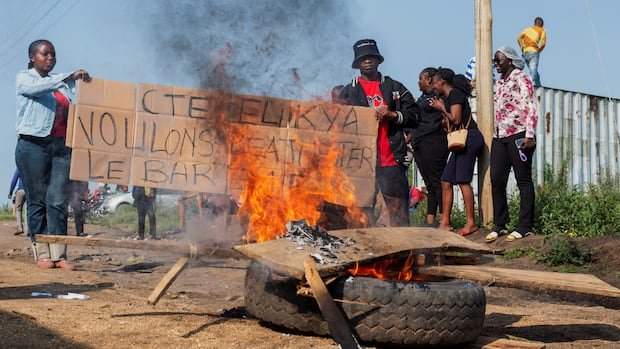

Health workers at an Ebola treatment center in eastern Congo staged a strike on Saturday, demanding their salaries, which led to a halt in patient care in the outbreak’s epicenter. The Congo government reported 2,973 confirmed cases and 1,309 deaths on Friday, labeling it as the fastest-growing outbreak to date.
The Elikya Ebola Treatment Center in Bunia, Ituri province, came to a standstill as doctors, nurses, and security personnel ceased their duties. Around 100 health workers gathered outside the treatment center, emphasizing that unpaid bonuses were affecting morale and patient care. They urged Congolese authorities to address the salary issue promptly to enable them to resume their services.
Martin Bolombi, one of the striking workers, expressed concern about the disease spreading at the treatment center due to the unpaid wages. The staff issued a statement on Friday, announcing their unanimous decision to strike until a resolution was reached for the two-month overdue performance bonuses.
Following a visit by Prime Minister Judith Suminwa to Ituri, where she assessed the outbreak response at major treatment centers, the strike occurred. Dr. Adelard Lufungula, the Ebola response operations manager, assured that the payment problem was being resolved, with workers transitioning to mobile money payments to clear the backlog in the upcoming days.
Last week, health workers at Bunia General Hospital had also protested over unpaid salaries. The World Health Organization reported over 100 healthcare workers infected since the outbreak began, with the majority of cases concentrated in the eastern province of Ituri. Despite efforts to contain the outbreak, challenges persist, including the identification of patient zero, funding gaps, attacks on health facilities, ongoing conflict, and community mistrust.
Moreover, the lack of approved vaccines or treatments for the Bundibugyo virus complicates the situation, unlike the Zaire virus, for which a vaccine exists. Enrollment for a study on potential Ebola treatments has commenced in Ituri. The WHO assessed the global risk of the outbreak spreading beyond Central Africa as low, emphasizing that Ebola primarily spreads through direct contact with infected bodily fluids. The Canadian Public Health Agency highlighted a low health risk to Canadians and implemented measures to restrict entry from individuals who visited Congo in the preceding 21 days to prevent the virus’s spread until August 29.