

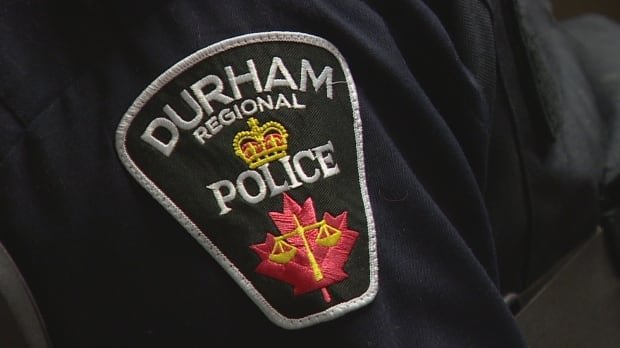

Durham Region has seen more than 200 incidents resulting in $2.6 million in financial losses attributed to a phenomenon termed “criminal tourism,” according to authorities. This practice involves foreign visitors who engage in profit-motivated crimes before exiting Canada, police revealed.
The findings were unveiled by Durham police during the disclosure of Project Jetsetter, an initiative that began in 2019 and has led to 46 arrests and nearly 1,500 charges across Durham Region and the Greater Toronto Area. Investigations have focused on organized groups associated with international criminal networks that travel to Canada to perpetrate various offenses, such as large-scale retail theft, vehicle-related scams, and insurance fraud through staged collisions.
Durham Police Chief Peter Moreira highlighted a surge in jewelry distraction thefts linked to criminal tourism, noting that vulnerable individuals, particularly seniors, are frequently targeted. Moreira emphasized that these criminals exploit existing opportunities with the singular aim of profiting at the expense of residents, businesses, and communities.
Detective Brad Chapman noted that most suspects and accused individuals hail from Romania, with a smaller contingent from India. Chapman explained that these offenders frequently move between jurisdictions, committing crimes and leaving the country before being identified.
The complex nature of tracking and enforcement is compounded by 164 suspects associated with ongoing investigations who remain at large. Chapman underscored that this criminal activity extends beyond Durham Region, with the same groups and methods observed throughout the Greater Toronto Area and across Canada, often interconnected with broader organized crime networks transcending national borders.
As the Toronto area gears up to host the World Cup, Chief Moreira affirmed that Durham police will collaborate with local, national, and international partners to disrupt these criminal networks. He urged the public to remain vigilant and report any suspicious activities to law enforcement.
Detective Chapman warned of common criminal schemes, including the “dirty oil scam,” where suspects damage vehicles during test drives to negotiate lower prices. He also cautioned against thefts involving distractions to steal valuables like jewelry, bank cards, and PIN numbers, which have seen a significant increase in incidents compared to the previous year.
Chief Moreira highlighted instances where suspects deceive victims, such as seniors, by engaging them in conversation, offering gifts like fake jewelry, and surreptitiously swapping their real valuables with counterfeits. Other prevalent crimes identified in the investigation include odometer tampering on vehicles for resale and the use of fraudulent identities to purchase vehicles for exportation to criminal networks outside Canada.
Authorities are urging the public to report any suspicious activities to combat the rise of criminal tourism and protect communities from these illicit activities.