

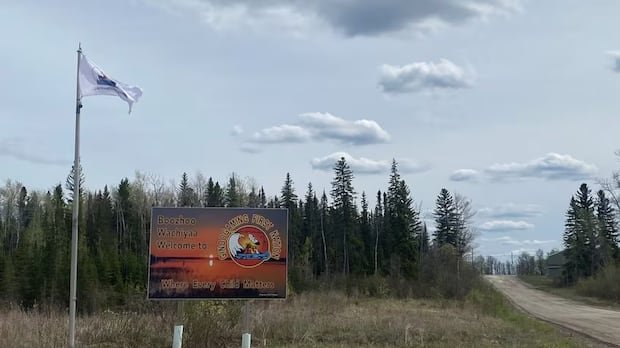

Two adjacent Indigenous communities in northwestern Ontario have jointly declared a state of emergency due to the escalating crime and violence infiltrating their territories. Long Lake #58 First Nation and Ginoogaming First Nation, situated approximately 300 kilometers northeast of Thunder Bay off Highway 11, are facing significant challenges.
Ginoogaming First Nation initiated a state of emergency in May 2024 in response to a surge in violence and drug-related crimes causing fear among community members. Similarly, Long Lake #58 declared its emergency status at the end of January, citing concerns about drug traffickers supplying vulnerable individuals within the community.
The collaborative state of emergency, announced on Monday, includes urgent appeals to the provincial and federal authorities for immediate interjurisdictional support to ensure peace and public safety on the ground. Chief Sheri Taylor of Ginoogaming highlighted recent incidents, including a fatal shooting and a substantial drug seizure, to illustrate the pressing issues facing her community.
With approximately 200 residents in Ginoogaming and over 550 in Long Lake #58, both communities are located within the Thunder Bay district, which has the highest opioid-related death rate in Ontario, more than five times the provincial average.
A joint statement issued on Wednesday emphasized the need for comprehensive mental health, addiction, and youth-focused treatment plans in addition to security and intelligence support. Chief John O’Nabigon of Long Lake #58 stressed the importance of unity and shared commitment to community well-being.
Efforts are underway to engage with the provincial and federal governments to address the communities’ concerns effectively. Policing responsibilities in these First Nations are shared between the federal government and the Province of Ontario. Indigenous Services Canada is collaborating with partners to respond to the communities’ needs and ensure coordinated support.
Ginoogaming recently passed a community protection order bylaw and enlisted the services of Anishinaabe Ambassadors Inc. to combat illegal drug activities. Noncompliance with the bylaw may lead to individuals being banished from the community. Marc Gibson, a legal expert specializing in Indigenous rights, emphasized the importance of utilizing all available legal tools to tackle complex challenges effectively.
While these measures are permissible under Canadian law, Gibson highlighted the need for fair and reasonable enforcement that respects the rights of all parties involved. Addressing drug addiction and trafficking requires a multifaceted approach that evolves alongside the changing nature of the issue.