

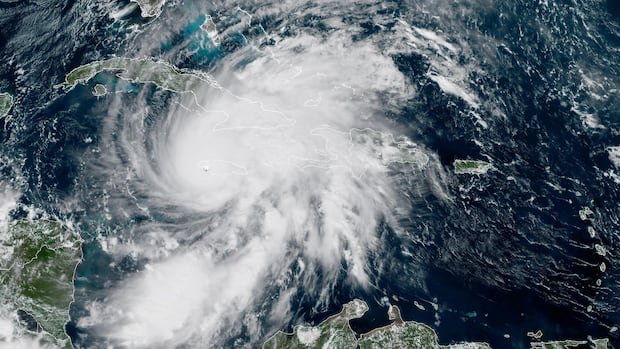

Millions of individuals throughout the Caribbean are grappling with the severe impacts of Hurricane Melissa, which swept through the area recently. Melissa, like many recent storms, underwent rapid intensification, a phenomenon where a storm’s maximum sustained wind speed increases significantly within a short period. In the case of Melissa, its wind speed surged by 112 km/h in 24 hours, leading to what experts are terming as extreme rapid intensification.
The continuous burning of fossil fuels and the consequent rise in CO2 emissions are contributing to the warming of the planet, resulting in various changes in weather patterns and the overall climate. Scientists are increasingly studying the influence of climate change on severe weather events such as hurricanes, floods, and droughts. Various organizations, including ClimaMeter, comprising climate scientists worldwide, conducted a swift attribution analysis of Hurricane Melissa. The analysis revealed that both climate change and natural variability played roles in the intensification of the hurricane.
One significant way in which climate change affects hurricanes is through warmer oceans. The ocean temperatures have been persistently higher than average due to human-induced climate change, acting as the primary fuel for hurricanes. The warmer the ocean, the more fuel available for storm intensification. This warmer water in the Caribbean Sea, currently 1.4 to 2 degrees Celsius above average, has been linked to the rapid intensification of hurricanes in the region.
Another analysis by Imperial College London’s Grantham Institute, utilizing the Imperial College Storm Model (IRIS), indicated that climate change contributed to a seven percent increase in Melissa’s wind speed, approximately 18 km/h. Despite the focus on the rapid intensification of hurricanes, experts emphasize the importance of considering the overall impact of such storms. The analysis suggested that the likelihood of a hurricane event like Melissa has increased fourfold compared to pre-industrial times, emphasizing the influence of climate change on extreme weather occurrences.
In conclusion, while specific numbers may vary among rapid attribution groups, the consensus remains clear: climate change is reshaping the characteristics of hurricanes. As greenhouse gas emissions continue to warm the planet, the oceans will retain more heat, fueling the intensification of storms like Hurricane Melissa. The findings underscore the urgent need for climate action to mitigate the escalating risks posed by extreme weather events.