

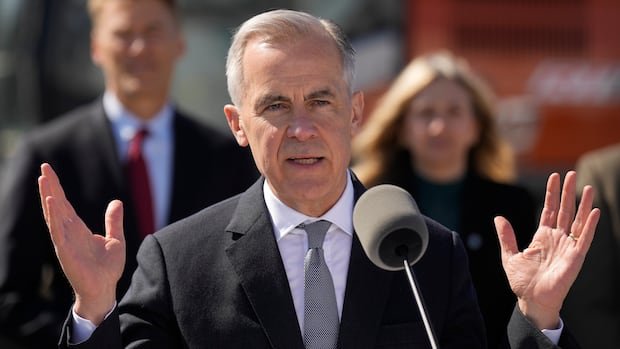

Prime Minister Mark Carney announced on Thursday that the ban on U.S. alcohol in Canadian provinces could be lifted swiftly if the United States eases the tariffs that have negatively impacted key industries such as steel, automobiles, and forest products. Carney emphasized that the prohibition on American beer, wine, and spirits was a response to President Donald Trump’s trade war, which has severely affected certain sectors. He stated that any changes to the policy would depend on the White House addressing the economic challenges faced by Canada.
During a news conference in Ottawa focusing on housing issues, Carney expressed optimism about resolving trade disputes, particularly related to the Section 232 tariffs affecting Canadian industrial goods, leading to plant and mill closures. The Prime Minister insisted that progress in trade negotiations would pave the way for potential adjustments in other areas. He dismissed threats of retaliatory actions by U.S. Trade Representative Jamieson Greer regarding the ongoing liquor boycott, highlighting that the hefty tariffs imposed by the U.S. were more significant violations of trade agreements.
Carney underscored the detrimental impact of tariffs on provinces and their reluctance to lift the alcohol ban until trade tensions are resolved. Despite Alberta and Saskatchewan partially lifting the ban last year, Ontario, home to the largest liquor purchaser, LCBO, has upheld the restriction. Ontario Premier Doug Ford reiterated the province’s stance, citing concerns over the adverse effects of U.S. tariffs on the Canadian economy.
Regarding Ford’s role in the trade dispute, Carney criticized the Premier for actions that may have hindered tariff negotiations, referencing past advertisements that strained relations with the U.S. Carney also highlighted Ford’s admiration for former President Ronald Reagan, suggesting Trump should emulate Reagan’s approach to trade agreements for mutual benefit.
The discussion around the liquor ban resurfaced during a congressional session where U.S. Commerce Secretary Howard Lutnick condemned Canada for maintaining restrictions on American spirits without acknowledging the initial tariffs imposed by the U.S. This led to a sharp response from Senator Jeanne Shaheen, who criticized the U.S. administration for its provocative stance.