

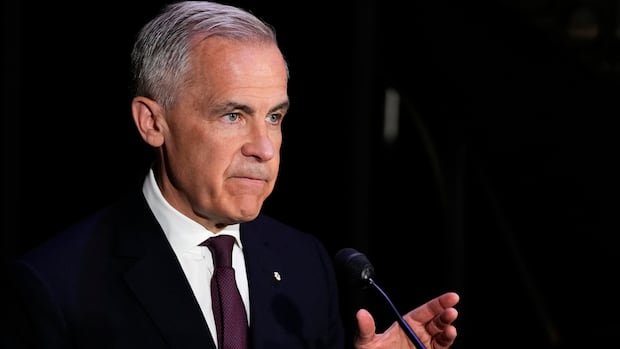

The federal government is planning to establish a national sovereign wealth fund, drawing insights from Alberta’s experiences with its own fund to ensure a successful venture. Alberta’s sovereign wealth fund, created many years ago, faced challenges as provincial governments frequently withdrew funds, hindering substantial growth.
The newly proposed Canada Strong Fund, with an initial $25 billion contribution from the government, aims to engage Canadians in contributing towards major national projects while generating profits. However, the fund remains a concept lacking detailed design and structure.
Experts generally support the concept of a sovereign wealth fund but have reservations about the specifics of this proposal, particularly regarding revenue generation, project selection, and differentiation from existing federal entities.
Charles St-Arnaud, Chief Economist at Servus Credit Union, emphasizes the importance of understanding how the fund will attract investments and generate future revenue.
Reflecting on Alberta’s history, the tendency of politicians to use such funds for immediate needs, especially during budget deficits, highlights the risk of sacrificing long-term growth opportunities.
Understanding Sovereign Wealth Funds
Sovereign wealth funds, established by numerous governments worldwide, aim to accumulate wealth, often funded by revenues from dwindling resources like oil and gas. These funds vary in size, from the massive $2 trillion Norwegian fund to smaller accounts managed by U.S. states and some Canadian First Nations.

The Canada Strong Fund aims to invest in energy, infrastructure, mining, agriculture, and technology, with the government initiating funding through borrowing.
Calgary Liberal MP Corey Hogan highlights the potential returns on investments compared to borrowing costs, emphasizing the benefits for Canadians in supporting national development projects.
Build Canada, a national economic think-tank, supports the idea of a federal sovereign wealth fund but questions the current proposal, suggesting it resembles more of a war bond than a traditional sovereign wealth fund due to its debt financing approach.
Lucy Hargreaves, CEO of Build Canada, advocates for a wealth accumulation model based on various federal revenue sources for sustainable growth.

Insights from Alberta’s Fund
Alberta’s Heritage Savings Trust Fund, launched in 1976 to preserve oil revenue for future generations, encountered challenges over the years. Despite an initial deposit and commitment to save a portion of resource revenue, the fund struggled to grow significantly, with withdrawals surpassing deposits.