


Australia issued a warning on Monday about the potential for a wider spread of H5N1 avian flu following the first significant mortality event among seabirds, resulting in the death of around 50 greater crested terns near Adelaide’s southern coast. While there have been no reported cases of the virus in Australian farms, many have implemented strict measures to protect their poultry stocks since the initial detection in June.
Agriculture Minister Julie Collins disclosed that testing had identified H5N1 avian flu in a group of 49 deceased and 35 ailing terns discovered through aerial surveillance near Cape Jaffa, approximately 250 kilometers from Adelaide, last Friday. Collins emphasized the likelihood of an increased spread and impact on wildlife due to this development, marking the first confirmed instance of mass mortality due to H5 avian flu.
With 74 confirmed cases reported across regions such as Western Australia and Queensland, though predominantly in South Australia, authorities have been on high alert in Australia and New Zealand. Both countries have proactively implemented stringent biosecurity measures on farms, conducted bird testing, vaccinated susceptible species, and rehearsed response strategies to combat the virus.
The global toll of H5N1 avian flu has been devastating, leading to substantial losses for poultry farmers and affecting wildlife populations. While the virus can transmit to humans through contact with infected animals, the overall human infection rate remains low, according to health officials.
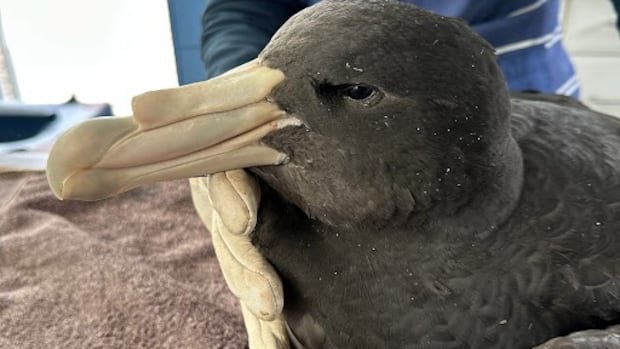
Image: A veterinarian in protective gear collecting samples from a deceased seabird for H5N1 avian flu testing at a wildlife hospital in Esperance, Australia, in June 2026.