


Ken Schmahl, a lifelong resident of the United States, has deep connections to New Brunswick. He fondly recalls stories of his grandmother’s upbringing on a farm in Johnville, near Florenceville-Bristol, prompting him to delve into his family’s New Brunswick heritage. Last December, Schmahl received an exciting call from his daughter informing him about a recent Canadian law change that granted citizenship eligibility to individuals with Canadian-born ancestors, including himself.
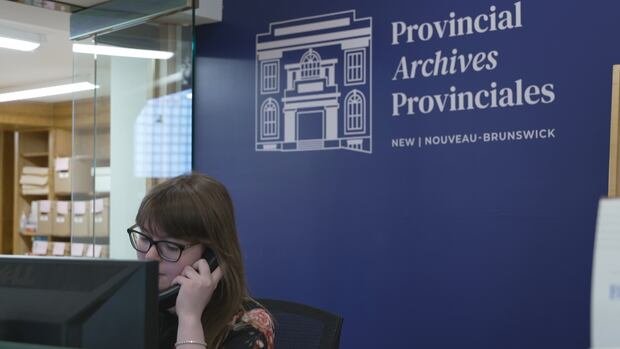
Following this revelation, Schmahl turned to the Provincial Archives of New Brunswick for assistance in locating his grandmother’s birth record, a step mirrored by other Americans. The amendment to citizenship laws has led to a surge in requests from Americans seeking birth records at the provincial archives. Joanna Aiton Kerr, the provincial archivist, highlighted that individuals demonstrating descent ties to Canada are now eligible for citizenship under the revised law, resulting in a substantial uptick in inquiries since December.
The Provincial Archives staff is grappling with a backlog of over 1,000 requests, compounded by an additional 400 citizenship-related inquiries monthly. Despite the increased workload, Aiton Kerr emphasized the archives’ essential role in connecting individuals with sought-after information. The trend of heightened requests for birth records is not unique to New Brunswick, with other provinces experiencing similar spikes in demand.
The Nova Scotia Archives, Prince Edward Island’s Public Archives, and The Rooms in St. John’s have all witnessed a notable rise in requests. This surge extends beyond provincial archives, impacting genealogists as well. Daphne Wetmore, President of the New Brunswick Genealogical Society, noted a substantial increase in requests and memberships, underscoring the heightened interest in ancestral records.
While many archive records are digitized, facilitating accessibility, some remain unprocessed, prolonging the search process, especially with vague inquiries. Wetmore highlighted historical gaps in birth registrations, complicating requests for early records. Despite the archives’ goal of addressing document requests within five weeks, the mounting inquiries necessitate a revised timeframe, with in-person visits to Fredericton offering expedited service.
Schmahl, currently residing in Scotts Valley, California, and working in Silicon Valley, is contemplating a move northward following his newfound eligibility for Canadian citizenship. Reflecting on a trip to British Columbia, he expressed a desire to retire in Canada, citing the peaceful ambiance that resonated with him. Schmahl and his daughter are in the process of obtaining Canadian citizenship, with Schmahl exploring job opportunities in Vancouver’s tech sector.
However, not everyone views the revised citizenship laws favorably. Daniel Bernhard, CEO of the Institute for Canadian Citizenship, expressed concerns about potential implications on the value and commitment associated with Canadian citizenship. While acknowledging the transformative nature of citizenship, Bernhard cautioned against a diluted sense of connection to Canada among new citizens. Schmahl, empathizing with these concerns, emphasized his intention to actively engage with Canadian society should his citizenship application be approved.
In light of the evolving landscape of Canadian citizenship, the move towards inclusivity raises questions about the balance between convenience and commitment associated with acquiring citizenship.