

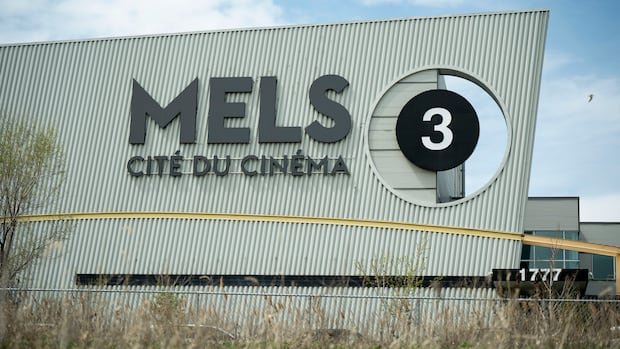

MELS, a prominent post-production company in Canada, is set to close its Quebec facility, which houses one of the few film development labs in North America. The President of Montreal’s MELS studio, Patrick Jutras, confirmed this decision due to insufficient tax incentives for attracting foreign productions and a decline in local audiovisual investment. While MELS will not shut down entirely, it plans to relocate and consolidate certain post-production services to adapt to market demands and maintain profitability. Consequently, the photochemical lab and projection room will be closed, with the remaining services moving to a new location.
Jutras expressed understanding for the sentimental attachment to these facilities, particularly the analog film laboratory, emphasizing the need for swift government action to support the struggling local audiovisual sector and preserve Quebec’s expertise in the field. The closure of MELS’ photochemical lab comes as the film industry increasingly adopts digital production methods, making MELS’ facility one of the limited options for filmmakers working with 16mm and 35mm film for wide distribution. According to Concordia film professor Michael Yaroshevsky, MELS’ lab is one of three “full service” labs in North America, alongside those in Los Angeles and Atlanta, capable of handling substantial daily film volumes.
Responding to the closure news, Yaroshevsky initiated a petition to save the photochemical studio, stressing the importance of maintaining film as a medium for local filmmakers and students. Despite the dominance of digital technology, Yaroshevsky highlighted the ongoing relevance of film in Montreal and beyond. MELS, a subsidiary of Quebecor, faces challenges amid a recent decline in French-language Canadian film box office revenues. Telefilm Canada data revealed a 45.5% drop in French-language Canadian film earnings in 2025 compared to the previous year, contributing to a 39.8% decline in overall domestic film performance.
In a bid to support the industry amidst technological advancements, Quebec Premier Christine Fréchette announced a $609.6 million investment over five years for the 2026–2031 Quebec Audiovisual Strategy. This strategy aims to ensure the sustainability and vibrancy of the audiovisual sector in response to evolving consumer behaviors and industry dynamics shaped by artificial intelligence and digital platforms.