

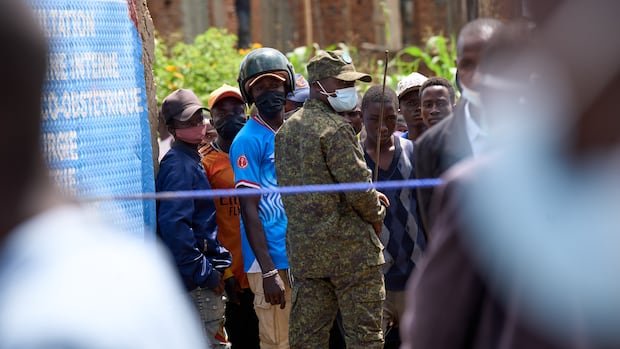

A recent incident involving an aid worker and his team at the heart of the Ebola crisis in the Democratic Republic of Congo highlights the challenges faced by humanitarian organizations in the region. Kalongo Rwabikanga, from Action Entraide, recounted an encounter where an angry mob accused them of bringing Ebola to the area and threatened violence.
The situation escalated when the crowd surrounded their vehicle, hurling rocks and attempting to force them out. Police intervention dispersed the mob temporarily, allowing the aid workers to escape. However, the hospital faced further turmoil as a section, including Ebola isolation tents, was set on fire by agitators.
This attack is one of three recent assaults on health-care facilities in the DRC, where misinformation about the Ebola outbreak is spreading rapidly. Some locals blame NGOs for introducing the disease, while others deny its existence altogether, fueling public distrust and hostility towards health workers.
The World Health Organization reports nearly 900 suspected Ebola cases and over 220 deaths linked to the outbreak, which has crossed into neighboring Uganda. The rare Bundibugyo strain of Ebola was detected belatedly, contributing to the rapid spread and high mortality rate, exacerbating fear and rumors in the community.
One major challenge faced by health workers is the resistance to virus prevention measures, especially regarding the handling of deceased bodies, a common source of Ebola transmission. Ill-equipped health facilities further compound the crisis, with inadequate resources and infrastructure hindering effective response efforts.
Despite the dangers and obstacles, organizations like International Medical Corps are actively engaging with communities to educate, dispel myths, and build trust. By working closely with local leaders and influencers, they aim to address misinformation, improve awareness, and combat the stigma associated with the disease.
Efforts to establish isolation facilities, enhance communication, and provide essential resources are ongoing amidst the volatile situation. Despite facing threats and violence, aid workers like Rwabikanga remain committed to serving the community and combating the Ebola outbreak.