

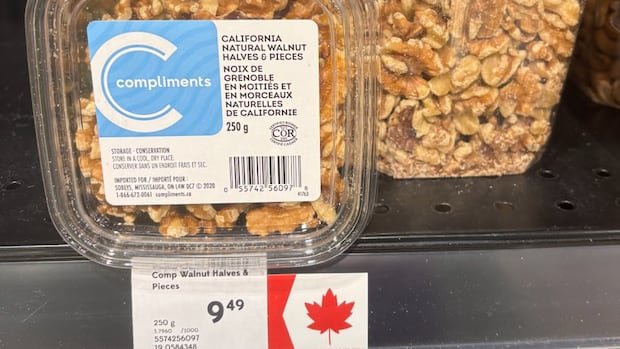

More than twelve months since the inception of the Buy Canadian movement, major grocery chains Loblaw and Sobeys are under increased scrutiny for “maple washing,” a practice involving the promotion of imported products as domestically produced goods.
In January, the Canadian Food Inspection Agency (CFIA) imposed $10,000 fines on two Loblaw-owned stores for maple washing, with two additional stores receiving official warnings for the same violation a month later, as per CBC News.
CFIA has also been monitoring Sobeys, noting multiple complaints about the grocer’s maple washing practices, resulting in an investigation into the advertising procedures overseen by the company’s head office. While no fines were issued in this case, the CFIA mentioned that “corrective actions” were implemented.
In a recent development, Sobeys seems to have phased out the red maple leaf symbol introduced last year to highlight Canadian products in their stores. During visits to nine Sobeys and Safeway locations in Halifax, Toronto, Calgary, and Vancouver over the past fortnight, CBC observed that the symbol, previously widespread, had largely vanished, leaving products like Tim Hortons coffee and Real Dairy ice cream without any store marker indicating their Canadian origin.
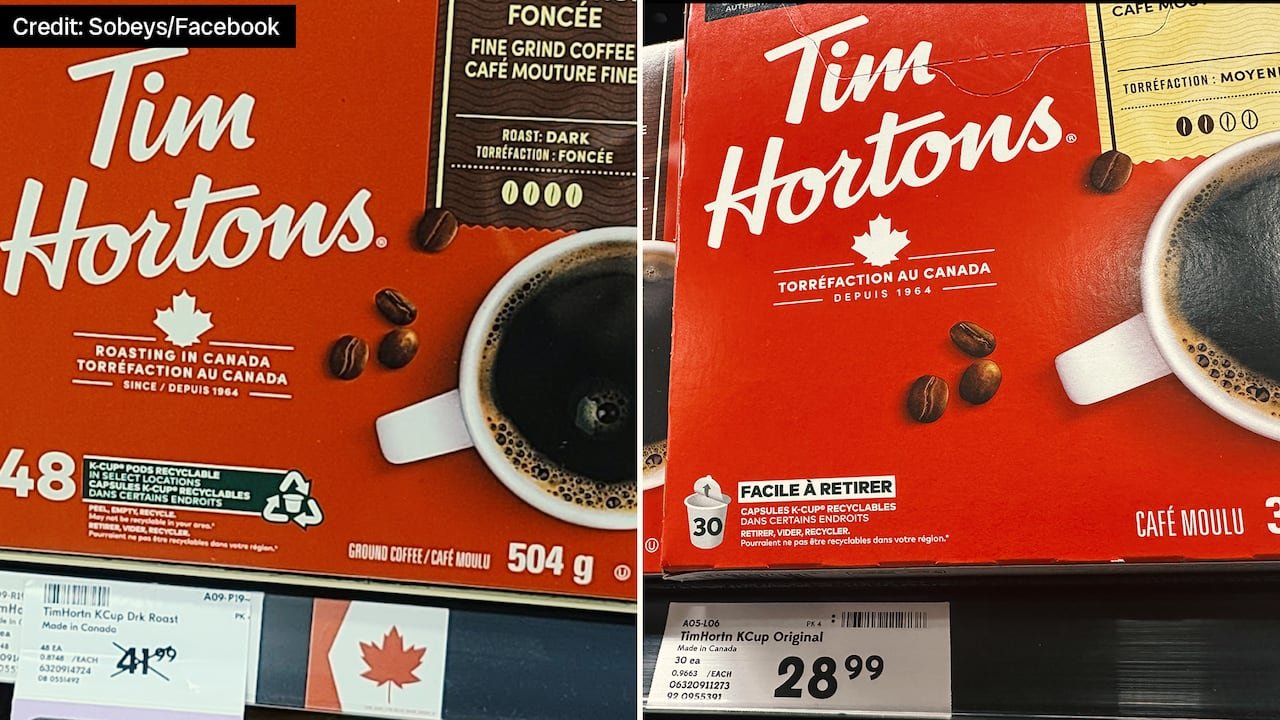
Despite not responding to comment requests, Sobeys’ parent company, Empire, informed The Canadian Press in late March that it was removing certain Canadian signage, citing consumers’ ability to discern the origins of their food. Consumer advocate Jay Jackson suggested that the ongoing CFIA investigation, already initiated in March, may have influenced the removal of the symbol by the grocer to safeguard against closer government scrutiny.
“They are aware of increased government oversight,” mentioned Jackson, a former senior analyst with Canada’s Competition Bureau. “Their actions indicate a proactive approach to protect themselves.”

Since the ‘Buy Canadian’ movement took off last year, Sobeys has used it as a marketing tool, but CBC News has learned that the Canadian Food Inspection Agency (CFIA) recently investigated the grocer for promoting imported food as domestic.
With the escalation of maple-washing incidents, Jackson highlighted that consumers are increasingly demanding stringent actions from the CFIA against rule-breaking retailers.
“The public, I think, is probably secretly furious about misrepresentation, especially when it comes to made in Canada claims,” expressed Jackson.