

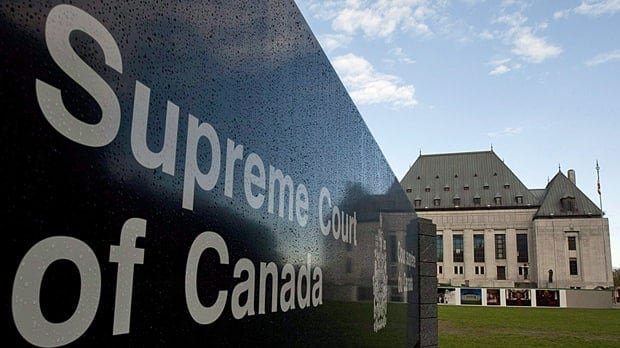

The Supreme Court of Canada is gearing up for a significant case, with hearings for Quebec’s contentious 2019 secularism law, Bill 21, slated to commence on March 23. This law prohibits public sector employees in positions of authority from wearing religious symbols while on duty. The court has allocated five days for the arguments surrounding this law, which is unique in its preemptive use of a section of the Canadian Charter of Rights and Freedoms to temporarily override certain rights.
Among the parties involved in the case is the Canadian government, advocating for clear boundaries on how provincial legislatures can invoke the notwithstanding clause of the Charter to supersede fundamental rights. Critics of Bill 21 argue that it infringes on freedom of expression and religion, while the Quebec government maintains that the law is crucial for upholding secularism and gender equality values in the province.
The outcome of the upcoming Supreme Court hearings is expected to have far-reaching implications nationwide, particularly in shaping precedents on minority rights and the permissible scope of government actions under the notwithstanding clause.