

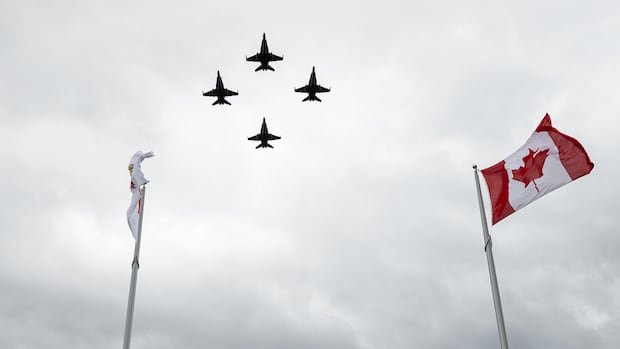

Canada’s Minister of Defence reassured lawmakers on Thursday that the federal government is progressing well towards achieving NATO’s previous controversial spending goal by next spring. David McGuinty expressed confidence in the country reaching the target of allocating two percent of its GDP to the military. However, Opposition Conservatives expressed doubts, citing the Department of National Defence’s historical challenges in utilizing its entire annual budget.
In a separate development, the U.S. Defense Security Cooperation Agency approved a $3.6 billion sale of munitions to Canada, including various types of bombs suitable for CF-18s, F-35s, and F-39 Gripens. This purchase will enhance the Royal Canadian Air Force’s munitions inventory and highlights Canada’s reliance on the United States for military equipment.
Last spring, Prime Minister Mark Carney pledged that Canada would meet the NATO target by the end of the fiscal year, allocating an additional $9.3 billion to the defense budget. This commitment came as NATO increased the spending threshold to five percent of GDP, with 3.5 percent designated for military expenses and 1.5 percent for defense infrastructure.
Canada’s projected defense spending for the current fiscal year stands at approximately $63 billion, with specific figures for the following year not yet specified in the latest federal budget. The current investment aims to replenish depleted weapon and munition stocks due to years of insufficient funding and contributions to Ukraine.
Minister McGuinty affirmed the government’s readiness to meet the spending target by March 31, emphasizing rigorous monitoring and timely delivery. A significant portion of the additional funds has been allocated towards increased military wages.
Capital spending, particularly for new equipment, has been a challenge, with the Parliamentary Budget Office reporting that $18.7 billion earmarked for equipment acquisitions under the 2017 defense policy did not materialize. Meeting the two percent target holds political significance for Canada, as it has faced pressure from allies, notably the United States, since the commitment was made at the 2014 NATO summit in Wales.