

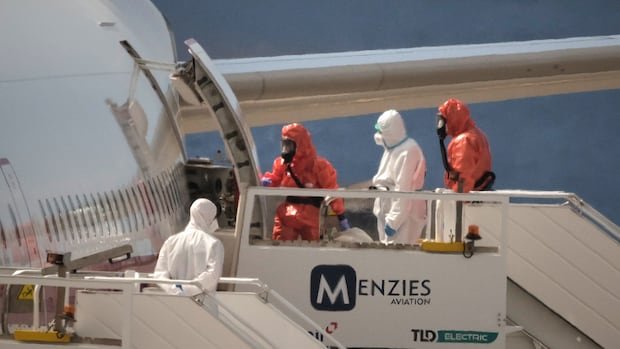

In the recent weeks, there was a troubling outbreak on a cruise ship involving passengers from numerous countries. Efforts were made to ensure the safe return of individuals, including multiple Canadians, as more cases emerged. The situation could have been far more alarming if it had not been hantavirus.
The incident began with the tragic death of a Dutch passenger on the Atlantic cruise, leading to subsequent infections. Despite the absence of confirmed hantavirus cases initially, passengers disembarked and traveled globally, potentially exposing many others. Further complications arose as more passengers displayed symptoms before test results were conclusive.
Following the ship’s docking in the Canary Islands as part of a WHO-coordinated operation, additional cases were reported off the vessel. In the US, a passenger exhibited mild symptoms en route to isolation, while another tested positive. Similarly, a French national and a passenger from Switzerland also showed symptoms, with a suspected case on Tristan da Cunha.
Amidst the unfolding outbreak, experts stress the need for extensive contact tracing due to the virus’s long incubation period. While hantavirus is dangerous, it is not expected to trigger a pandemic. The unique circumstances surrounding this event, though tragic, are considered rare by health officials.
As the outbreak continues, health professionals anticipate more cases but remain hopeful for containment. The incident serves as a reminder of the importance of international cooperation in handling such emergencies. Different countries have implemented varying containment strategies, highlighting the absence of a universal approach.
The complexities of this outbreak underscore the need for swift and coordinated responses to prevent further spread. While the situation remains fluid, efforts are underway to address the hantavirus cluster and safeguard public health. This crisis serves as a stark reminder of the potential risks posed by rapidly evolving pathogens and the criticality of preparedness in combating such threats.