

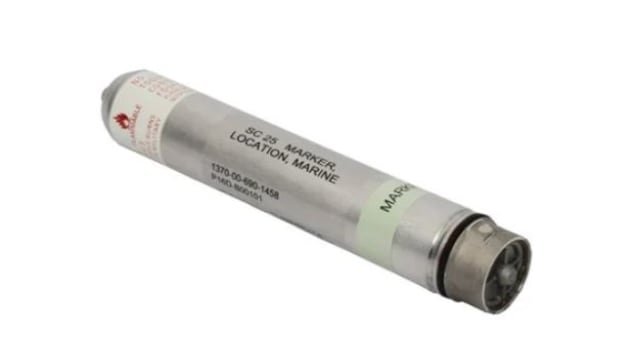

The military is advising the public to report, rather than handle or move, suspected marine location markers and ordnance following discoveries during a beach cleanup in Nova Scotia. Despite appearing old or inactive, 14 Wing Greenwood’s explosive ordnance disposal team emphasized the potential danger these metal tubes still pose.
Sgt. Ryan Doyle, the team’s deputy commander, highlighted the risks associated with these markers, explaining that they can ignite with intense heat, reaching temperatures over 800 degrees Celsius. There have been incidents where moving or touching these items caused them to reactivate, emitting smoke or flames.
Marine location markers are pyrotechnic devices used for signaling purposes on water surfaces. They emit smoke, light, or flame to aid in search and rescue operations, navigation, and training. The military uses red phosphorus in these markers for its long-lasting flame and smoke, which can reignite when exposed to air.
Even if a marker appears extinguished or covered in debris, residual phosphorus could still be present. Disrupting the protective coating by moving or transporting the item, especially on rough roads, can expose the phosphorus, leading to unexpected reignition.
In the event of locating a marker, it is advised to step back, take photos from a safe distance, mark the location, and inform local law enforcement. Never attempt to transport the item in a vehicle or bag it. Beach cleanup group Scotian Shores recently discovered markers in Advocate Harbour and emphasized the importance of proper reporting procedures.
Angela Riley, the group’s project manager, shared that they often face challenges in reporting markers, as it involves multiple steps and agencies. Riley suggested a direct line to the ordnance disposal team for quicker responses and better coordination. While open to the idea, Doyle stated that involving local authorities can help ensure proper safety protocols are followed before military intervention.
Ensuring swift and efficient reporting of marine location markers is crucial to prevent accidents and safeguard public safety. The collaboration between cleanup groups, law enforcement, and military authorities is essential in handling these potentially hazardous items effectively.