


Efforts to resolve the conflict between the United States and Iran hit a roadblock as both sides engaged in military actions in the Gulf on Friday. A recent U.S. intelligence analysis suggested that Iran could withstand a naval blockade for approximately four more months without facing significant economic strain. This assessment, disclosed by a U.S. official, indicates limited leverage for the U.S. in negotiations with Tehran to end the unpopular conflict.
Contrary to the CIA’s viewpoint, a senior intelligence official dismissed the claims, emphasizing the tangible economic repercussions of the blockade on Iran. Recent escalations in hostilities around the Strait of Hormuz, following a ceasefire a month ago, included renewed attacks on the United Arab Emirates. The U.S. is anticipating Tehran’s response to a proposed agreement to formally conclude the war before addressing contentious issues like Iran’s nuclear program.
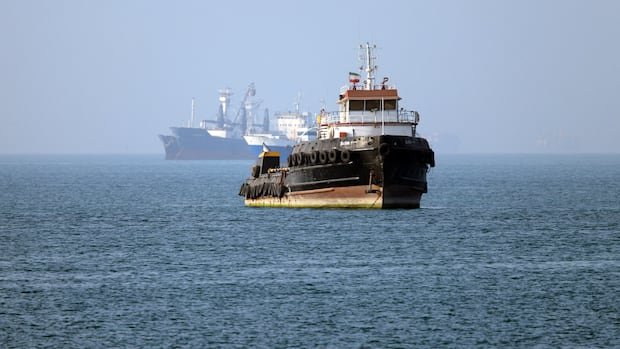
Meanwhile, Iran’s foreign ministry spokesperson stated that Tehran was deliberating its reply to the U.S. proposal. Sporadic clashes between Iranian armed forces and U.S. vessels were reported in the Strait of Hormuz, with conflicting reports on the situation’s status. The U.S. military confirmed targeting two Iran-linked vessels attempting to access an Iranian port, compelling them to retreat after a U.S. fighter jet intervened.
Since the commencement of the conflict with joint U.S.-Israeli airstrikes on Iran, Iran has restricted non-Iranian shipping through the strait. Oil prices experienced an uptick, with Brent crude futures surpassing $101 per barrel, despite a weekly decline exceeding six percent.
President Trump affirmed that the ceasefire remained intact, even amid tensions in the strait, a crucial global oil passage. Beyond maritime confrontations, the United Arab Emirates reported intercepting ballistic missiles and drones from Iran, resulting in injuries. The UAE accused Iran of escalating attacks following the announcement and subsequent suspension of the “Project Freedom” naval mission by Trump.
Iran’s Foreign Minister criticized the U.S. for opting for military actions over diplomatic solutions repeatedly. The U.S. intensified sanctions on Iran while seeking a diplomatic resolution. Recent sanctions by the U.S. Treasury targeted individuals and entities, including those in China and Hong Kong, for aiding Iran’s military activities. The U.S. reiterated readiness to impose economic measures against Iran’s military endeavors and entities supporting illicit Iranian trade, with potential sanctions on foreign financial institutions.
These developments unfolded ahead of President Trump’s upcoming meeting with Chinese President Xi Jinping, underscoring the complex geopolitical dynamics at play.