

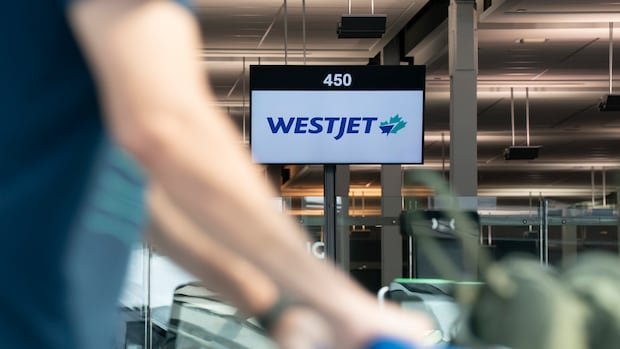

WestJet has started to position its 737 aircraft at various locations within its network as the possibility of a strike by the airline’s flight attendants looms closer. The airline has taken this action to prevent passengers and aircraft from getting stranded overseas. According to WestJet, this strategic move is aimed at maintaining operational control and safeguarding the broader network.
Travelers are advised by the airline to check the status of their flights before heading to the airport. Despite the situation, WestJet continues negotiations with its flight attendants in an effort to reach a mutually acceptable agreement.
On Thursday, WestJet’s flight attendants issued a 72-hour strike notice, prompting the airline to issue a corresponding 72-hour lockout notice. This development puts around 4,287 flight attendants at risk of being on strike starting Sunday at 12:01 a.m. MT, coinciding with the busy August long weekend for domestic travel.
While the strike notice does not guarantee immediate job action, it has left passengers uncertain about the status of their weekend flights. WestJet has clarified that WestJet Encore flights and codeshare flights managed by airline partners will not be affected.
In response to the situation, WestJet has presented what it considers a fair agreement to the flight attendants’ union, including compensation adjustments and other improvements. The company believes that its offer represents a significant advancement not only for WestJet Cabin Crew but also for the Canadian airline industry as a whole.
The union, represented by CUPE WestJet Component, acknowledges some progress in negotiations but stresses the need to address remaining issues at the bargaining table. The union remains optimistic about avoiding a strike and is committed to resolving the dispute through negotiations.
One contentious issue in the negotiations is ground pay, with flight attendants claiming that an average of 35 hours per month goes unpaid under the current credit hour system. WestJet defends its pay structure, stating that flight attendants are adequately compensated through the credit system, which is a standard industry practice.
WestJet’s CEO, Alexis von Hoensbroech, has acknowledged employee dissatisfaction with the current pay system and expressed readiness to consider changes that are financially viable for the company. Passengers are assured that those who booked directly with WestJet will be informed of any changes, while those who used third-party booking services should liaise directly with their agents for any modifications.
Passengers with flights scheduled between now and August 4 have the option to cancel or alter their bookings, albeit potentially receiving travel credits rather than direct refunds.