

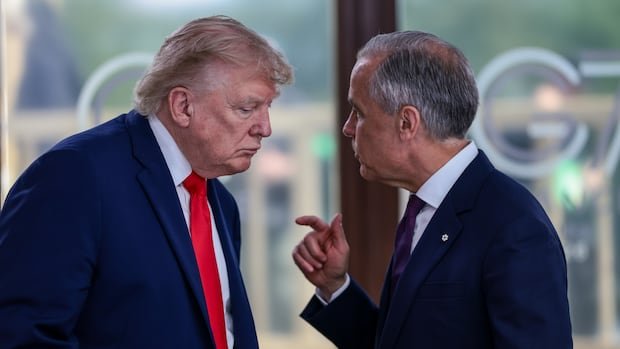

The latest threat from U.S. President Donald Trump to impose 50 per cent tariffs on numerous Canadian goods signals the U.S. administration’s acknowledgment of the impact of Canada’s retaliatory trade measures on the American economy. Ontario government representative in Washington, David Paterson, highlighted a specific concern raised in the announcement of the tariffs, citing a significant 22 per cent drop in U.S. auto exports to Canada since April of the previous year.
Paterson emphasized that this trade shift away from American jobs towards other regions due to Canada’s retaliatory actions is gaining attention and could serve as a constructive starting point for future discussions. Despite lifting several tariffs last year, Canada maintains retaliatory tariffs on U.S. automobiles, auto parts, steel, and aluminum.
The impending 50 per cent levies, set to take effect on August 19, are linked to provincial bans on American alcohol. This ban has severely impacted U.S. spirit producers, with sales suffering, and led to a substantial decline in American wine sales in Canada. Paterson suggested that Canada’s response, though causing friction in the Trump administration and resulting in new tariffs, could pave the way for ongoing productive trade negotiations.
Prime Minister Mark Carney confirmed engaging with Trump post the tariff announcement, with both leaders agreeing to intensify trade discussions. Paterson noted an uptick in activity in Washington since then. Carney met with provincial leaders to address the tariff threat and explore potential responses. The government is preparing for the imposition of tariffs but remains focused on reaching a resolution before the deadline.
LeBlanc, the federal minister handling Canada-U.S. trade, held a comprehensive meeting with Greer, agreeing to maintain close communication and collaboration. Two prominent unions urged the administration to postpone the 50 per cent tariffs, emphasizing the need to align trade policies to combat unfair practices globally, particularly from countries like China.