

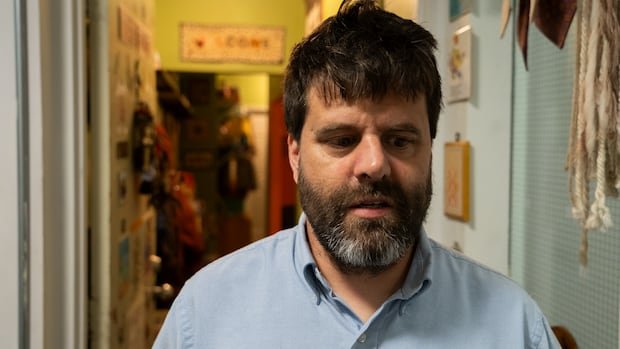

In August 2017, Erik Burggraaf, a St. Catharines resident, underwent a series of interviews and a month-long anticipation for feedback concerning a sales associate role at a call center in Welland, Ontario. Despite being deemed a qualified candidate by Convergys, the company he applied to, Burggraaf was informed that he did not secure the position, leaving him feeling resigned. Burggraaf, who holds two diplomas in computer hardware and programming, expressed his frustration, having applied to numerous call center jobs but never successfully landing one. He mentioned that he would need to begin at an entry-level IT position if he pursued that field.
Subsequently, in 2018, Burggraaf took legal action against Convergys, which had been acquired by Concentrix. After a seven-year wait and already securing a job elsewhere, he received a judgment from the Human Rights Tribunal of Ontario (HRTO) on October 17. The tribunal ordered the company to compensate Burggraaf with $20,000 for injury to dignity and self-respect, along with $8,472 for lost wages. Additionally, Convergys was mandated to establish inclusive hiring guidelines and accessible interview procedures for visually impaired applicants.
According to tribunal member Romona Gananathan, the company was found to have neglected their obligation to explore accommodation solutions with Burggraaf. Despite his background in accessibility program testing for organizations like the Canadian National Institute for the Blind, Burggraaf claimed that Convergys did not involve him in accommodation discussions. The company’s investigation into accommodation options was criticized as insufficient, with an employee indicating that available screen readers were not compatible with their software requirements.
Notably, a Statistics Canada report from 2022 highlighted a high unemployment rate among Canadians with disabilities, emphasizing the challenges faced by this demographic. However, individuals with visual impairments have succeeded in various professions, such as video game streaming, cosmetics, and law.
David Lepofsky, a retired blind lawyer and chair of the AODA Alliance, described Burggraaf’s case as illustrative of the employer’s duty to accommodate disabilities under the law. He criticized the prolonged legal process, highlighting systemic inefficiencies within the HRTO. He emphasized that employers must explore accommodation solutions unless proven impossible without causing undue hardship.
Burggraaf eventually found employment at Shared Services Canada in 2021, where he collaborates with a compassionate team that prioritizes accommodation for workers with disabilities. Reflecting on his experience, he expressed the hope for increased compassion and inclusivity in the private sector.
Overall, the case of Erik Burggraaf underscores the importance of upholding human rights and accessibility for individuals with disabilities in the workplace.