


On the seventh level of the vast Quan Ju De eatery in Beijing, a small museum commemorates the historical “roast duck diplomacy.” A collection of faded black and white photographs showcases a jovial U.S. president Richard Nixon and secretary of state Henry Kissinger dining with the Chinese leadership, including premier Zhou Enlai, in 1972. This meeting was pivotal in normalizing relations between the Cold War adversaries, demonstrating the transformative power of presidential dining gatherings.
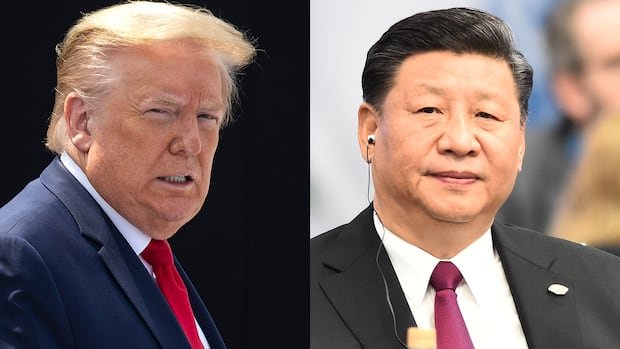
As discussions swirl in Beijing’s diplomatic and political spheres, the focus is now on whether the current U.S. leader, Donald Trump, will participate in the anticipated summit. Amid distractions from an Iran conflict he initiated and mounting domestic pressures, Trump has temporarily shelved discussions with China to prioritize war strategies. Initially planned for late March, uncertainty looms over the rescheduling of Trump’s visit, with China’s foreign ministry indicating ongoing communication with President Xi Jinping’s administration.
Economic experts in Beijing highlight the unpredictability surrounding the visit, emphasizing Trump’s tendency to alter decisions abruptly. The lack of clarity surrounding the summit date adds to the existing political uncertainties. Notably, by attributing the delay to internal distractions rather than Chinese reluctance, Trump unintentionally eases tensions between the two nations, providing a temporary reprieve for Beijing.
The delay in summit preparations was evident during recent meetings in Paris, where Chinese officials expressed frustration over uncertainties regarding the summit objectives. The trade relationship between the U.S. and China, which surpassed $650 billion in 2024, faced turbulence following Trump’s imposition of national emergency tariffs in 2025. The subsequent trade dispute led to market instability and economic challenges for both nations, underscoring the importance of a new trade deal to restore predictability.
Despite looming challenges and legal hurdles, the Beijing summit remains crucial for economic stability, especially with an impending expiration of the temporary trade truce in November. However, as Trump delays the summit, concerns arise about diminishing leverage and the legal implications of his tariff strategies. The Supreme Court’s ruling against his national security tariffs has significant implications for trade dynamics, prompting demands from China for a resolution before the summit.
A myriad of contentious issues awaits discussion between Trump and Xi, ranging from trade disputes to geopolitical concerns like the conflict in Iran. The war’s impact on energy security poses additional complexities for China, a major energy importer. The unpredictability of these talks is further compounded by Canada’s trade ambitions and Trump’s warnings of tariffs on Canadian goods in the event of a broad deal with Beijing.
Amidst these uncertainties, the anticipated Quan Ju De summit remains unclaimed, symbolizing the absence of the key stakeholders but leaving the table set for potential future negotiations.