

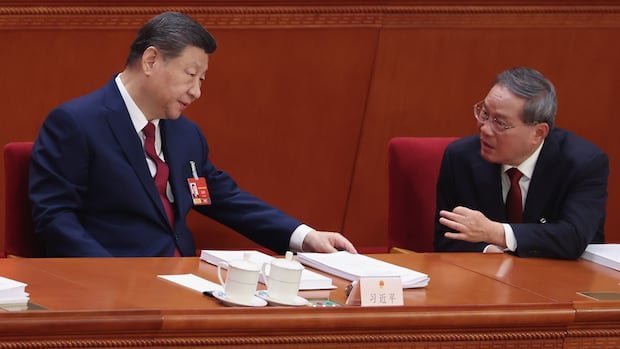

China’s recent economic growth plan was in progress before the outbreak of a major conflict in the Middle East triggered by the U.S. and Israel. However, during the opening address of the “Two Sessions” in Beijing, Chinese Premier Li Qiang hinted at some adjustments in response to the evolving external economic challenges.
While highlighting the importance of domestic resilience and acknowledging trade tensions with the U.S., Li also acknowledged the heightened complexity of the external economic landscape. This complexity was further exacerbated by the military conflict in the Middle East, particularly the impact on Iran, a crucial ally and oil supplier to China.
China had been a key supporter of Iran, providing economic aid and supplies for its military programs despite Western sanctions. Following the outbreak of the conflict, China condemned the actions in Iran but refrained from direct involvement, opting to send a diplomatic envoy to help de-escalate tensions.
The latest economic strategy of China focuses on self-reliance, aiming for a five percent annual GDP growth and prioritizing advancements in robotics, renewables, and artificial intelligence. By positioning itself as a stable trading partner amid global uncertainties, China aims to maintain its economic goals despite potential disruptions from the conflict in the Middle East.
China’s strategic reserves of oil, along with alternative sources like Russia, provide a buffer against immediate price spikes and supply disruptions. While China remains a top customer for Iranian oil, its stance in the conflict signals a prioritization of economic stability and relations with the U.S. over direct involvement in the Middle East crisis.
The Chinese government’s centralized approach to economic growth, highlighted during the Two Sessions, underscores the country’s commitment to its long-term goals. While the conflict in the Middle East remains a concern, China’s immediate security focus lies closer to home, particularly in the Taiwan Strait.
China’s emphasis on predictability in its international relations, especially with the U.S., showcases its strategic approach to economic stability and growth. Leveraging diplomatic opportunities and trade partnerships, China aims to diversify its markets and maintain stability amidst global uncertainties.
The upcoming visit of U.S. President Donald Trump to Beijing further underscores China’s commitment to enhancing economic ties with the U.S. and prioritizing stability in its international relations. Despite external challenges, China’s focus remains on achieving its economic objectives and reinforcing its position as a reliable global partner.