

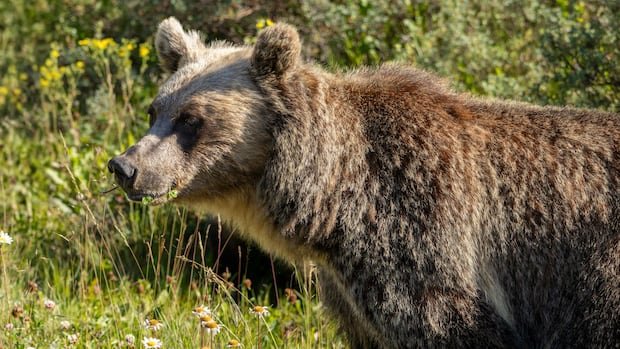

The Alberta government has reported a notable increase in the number of grizzly bears killed by authorized hunters in recent months. Within the year, 13 grizzly bears have been taken down through Alberta’s Wildlife Management Responder Network, with 11 of these occurrences happening in the past three-and-a-half months, mainly due to livestock predation.
Since its establishment in June 2024, the program has seen a total of 14 grizzly bears being hunted by individuals selected from Alberta’s pool of “problem wildlife” responders. These hunters, endorsed by the province, are called upon when deemed necessary to address situations involving grizzly bears.
The province has emphasized that its approach to wildlife management, particularly concerning grizzly bear populations, is science-driven and prioritizes public safety, conflict reduction, and population recovery. Grizzly bears in Alberta were classified as a threatened species in 2010, leading to stringent guidelines on their management, considering factors like attacks on livestock, pets, or humans.
Although grizzly bear hunting has been prohibited in Alberta since 2006, exceptions are made for Indigenous hunting for cultural or sustenance purposes. The province clarified that the removal of grizzly bears through the Wildlife Management Responder Network differs from hunting, as authorizations are granted case by case rather than through tags.
Despite the rise in grizzly bear deaths through the responder program, the overall human-caused mortality of bears in Alberta this year is relatively low. The province highlighted that the human-caused mortality rate in 2026 is the second lowest since 2010 and doesn’t impede the recovery objectives set for the grizzly bear population.
Most incidents of grizzly bear killings through the program have been concentrated in southwestern Alberta, known for its high grizzly bear population density in the province. Wildlife biologist Andrea Morehouse noted the challenges faced by rural communities due to the coexistence of bears and human activities in the region.
Efforts are being made to manage the situation effectively, including wildlife coexistence programs, conflict mitigation strategies, and population monitoring. The government’s investment in initiatives to safeguard rural properties from large carnivores in southwestern Alberta reflects its commitment to addressing the challenges posed by grizzly bears in the region.